20 Strange Facts About the FIFA World Cup 2026


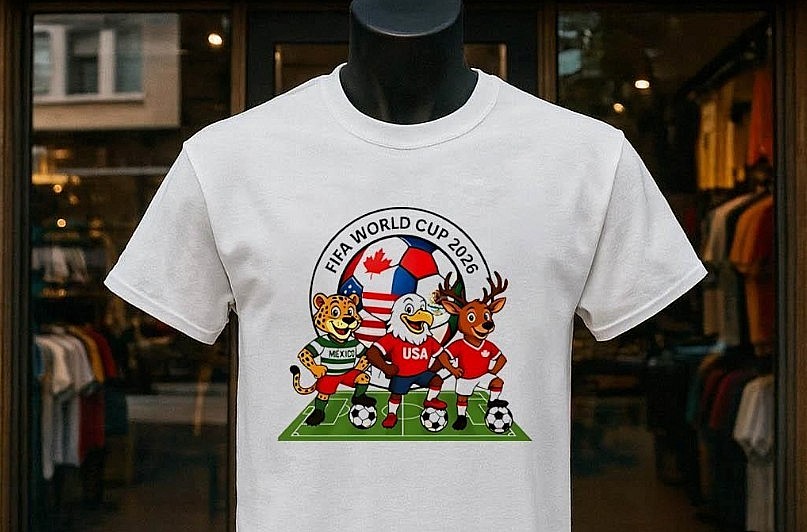 |
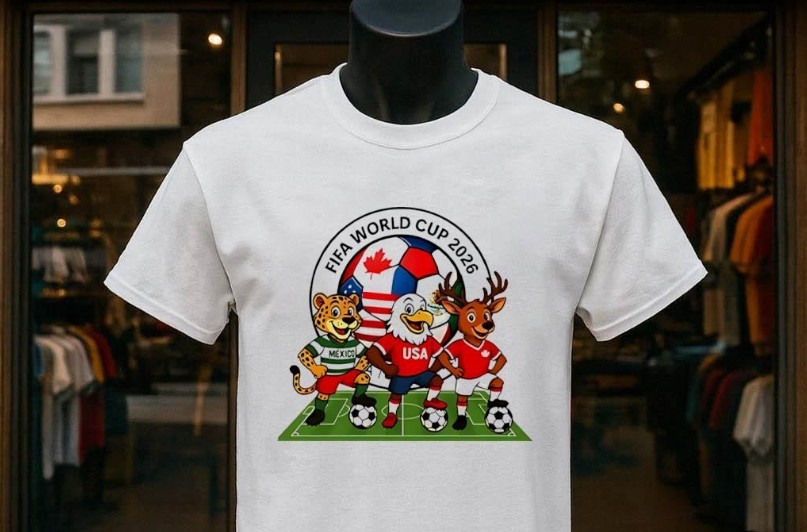
| FIFA World Cup 2026 Mascot funny shirt |
On paper, it’s easy to summarize: more teams, more matches, more cities. But the deeper you go, the more it starts to feel less like a traditional World Cup and more like an experiment in how far football can stretch before it becomes something else entirely.
I’ve followed World Cups long enough to recognize the familiar rhythm: one country, compact travel, a shared atmosphere that slowly builds into something unforgettable. 2026 doesn’t follow that rhythm. It breaks it, reshapes it, and in some ways, abandons it.
Here are 20 things about this tournament that genuinely feel strange, even a little disorienting.
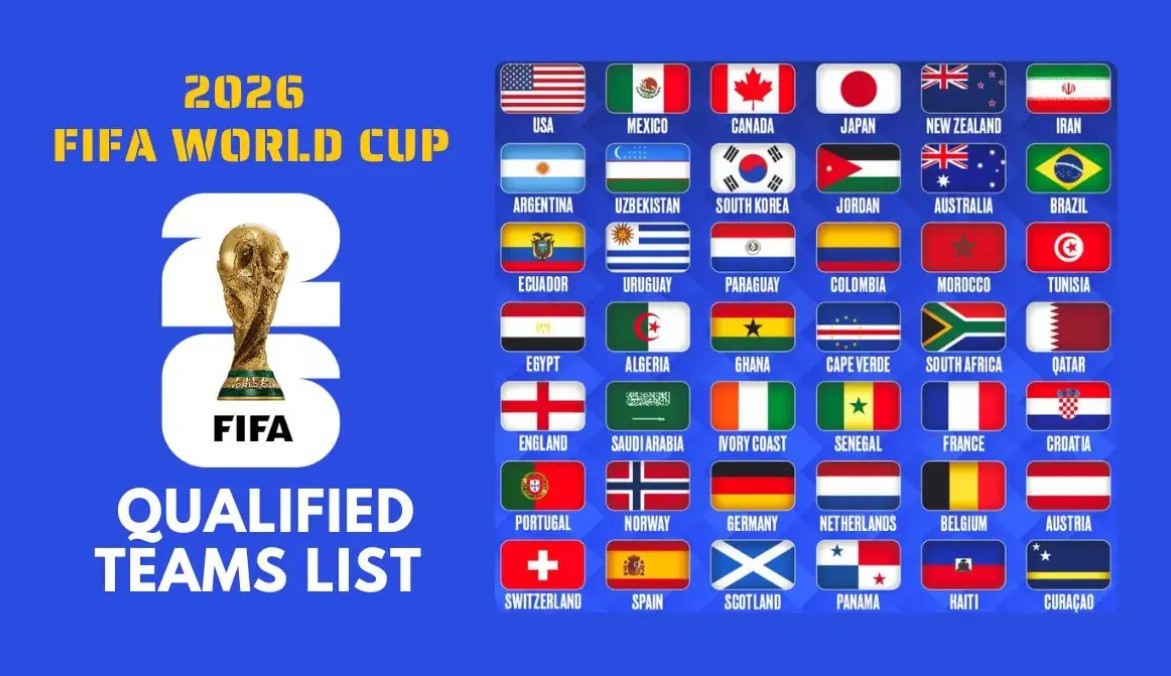
1. You Could Follow Your Team… and Still Miss Most of Their Tournament
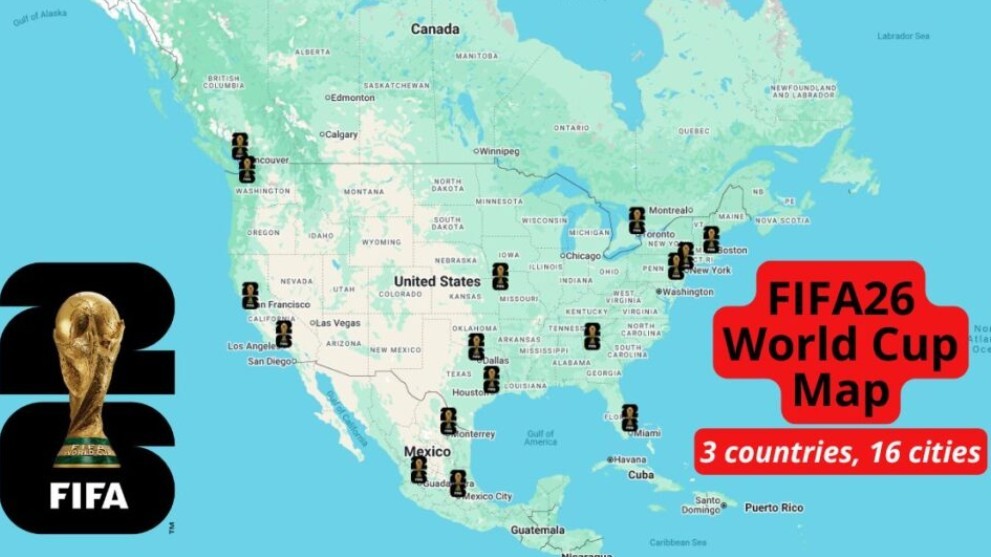
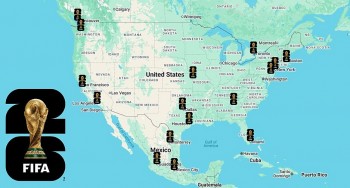
In past World Cups, fans could realistically track their team from group stage to knockout rounds. In 2026, your team might play in three completely different regions across United States, Canada, and Mexico.
It’s entirely possible to attend one match and realize the next one is simply out of reach. That changes what it means to “follow” a team.
2. The World Cup No Longer Belongs to One Place
There’s usually a host nation identity. Brazil 2014 had a feeling. Russia 2018 had a mood. Even FIFA World Cup 2022, for all its controversies, felt unified.
2026 won’t have that. It will have fragments of identity instead of one cohesive atmosphere. That’s fascinating… and a little sad.
3. Travel Might Be the Real Opponent
Players will talk about tactics, but behind the scenes, recovery, jet lag, and time-zone shifts could quietly decide matches.
You don’t usually think of geography as a competitor in football. Here, it might be.
4. Some Matches Could Feel Like They’re Happening in Parallel Universes
A game in Mexico, another in the U.S., another in Canada—all on the same day, separated by thousands of kilometers and different climates.
It’s not just one tournament unfolding. It’s several, happening at once.
5. The “World Cup Journey” Might Feel Less Personal
There used to be a sense of moving through a country alongside your team, discovering cities together. In 2026, that narrative thread may disappear.
Instead of a journey, it becomes a series of disconnected moments.
6. The Format Quietly Changes the Meaning of Winning
With 48 teams and a new group structure, there will be scenarios where teams advance without truly convincing performances.
It raises an uncomfortable question: does progression still mean excellence, or just survival?
7. The Gap Between Teams Will Be Visible—Sometimes Painfully
Expansion is inclusive, which is a good thing. But inclusion comes with consequences.
We may witness both historic underdog stories and matches that feel… uneven to the point of awkwardness.
8. Stadiums Will Feel Familiar—but Not Quite Right
Many venues are built for American football. The scale is massive, the infrastructure is world-class, but the intimacy of traditional football stadiums might be missing.
The game will feel slightly different, even if you can’t immediately explain why.
9. Weather Will Return as a Wild Card
After the controlled conditions of Qatar, this tournament goes back to reality: heat, humidity, altitude.
Some matches might not just be about skill, but endurance.
10. Fans Will Experience a World Cup in Pieces
You might watch matches in one city, then follow others online from another, then fly again if you can afford it.
The shared, collective experience becomes fragmented.
11. Border Control Becomes Part of Football Culture
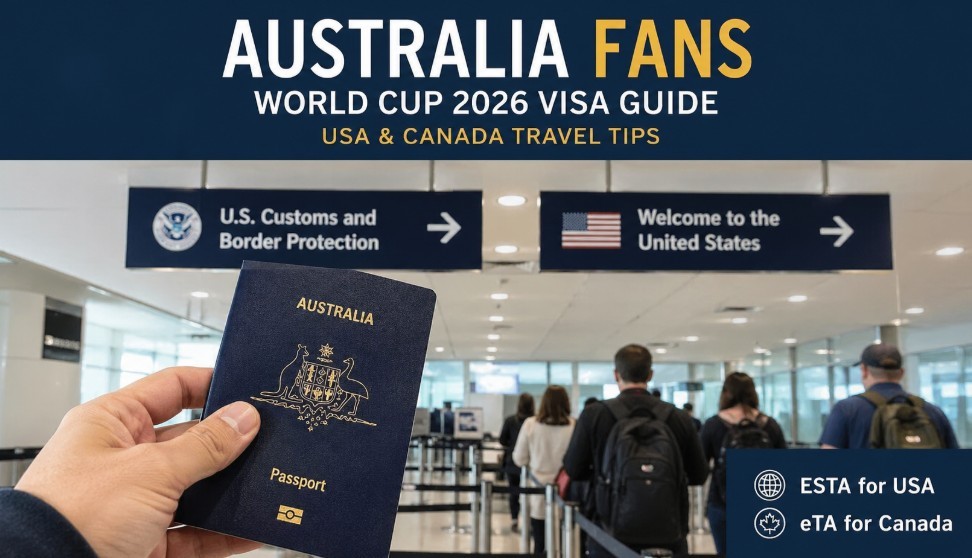
There’s something almost absurd about needing passports and immigration queues to follow a football tournament.
And yet, that will be normal in 2026.
12. The Tournament Might Feel Too Big to Fully Understand
With 104 matches, it will be nearly impossible to keep track of everything.
Even dedicated fans may start to feel like they’re only seeing part of the story.
13. Home Advantage Becomes Blurred
Three host nations should mean three home advantages. In reality, it might mean none of them truly feels at home.
Crowds will be mixed, traveling, unpredictable.
14. Some Games Might Lack Atmosphere
This is uncomfortable to admit, but distance matters. Not every match will have the passionate crowd you associate with the World Cup.
And when atmosphere fades, football feels different.
15. Players Could Travel More Than Fans Expect
The physical toll of moving across a continent, repeatedly, cannot be ignored.
It’s a silent factor, but one that could shape outcomes in subtle ways.
16. It Feels Closer to the Olympics Than a World Cup
Multiple cities, dispersed events, massive scale.
At times, 2026 might resemble a global sports festival more than a single football tournament.
17. Entertainment Will Be Turned Up
The influence of American sports culture is impossible to ignore. Presentation, halftime shows, spectacle—it’s all part of the package.
For some, that’s exciting. For others, it feels like football is being… repackaged.
18. Logistics Might Decide Who Goes Further
In a tournament this complex, small advantages—shorter travel, better scheduling—could matter more than ever.
It’s not just about talent anymore.
19. You Might Feel Like You Missed Something Important
With so many matches happening, even watching every day won’t guarantee you’ve seen the key moments.
There’s always another game somewhere else.
20. It Could Redefine the World Cup—For Better or Worse
This is the underlying truth.
If it works, this becomes the future.
If it doesn’t, it becomes a cautionary tale about scale, ambition, and what happens when football grows faster than its traditions.
Final Thoughts
I don’t think the FIFA World Cup 2026 will feel like the tournaments we grew up with.
And maybe that’s the point.
There’s a quiet tension running through it: between tradition and expansion, intimacy and spectacle, football as a sport and football as a global product. I can’t say yet whether that tension will create something extraordinary or something diluted.
But one thing feels certain: when we look back at 2026, we won’t just remember the goals or the champion.
We’ll remember how different it felt.