Mette-Marit and Jeffrey Epstein: What the Link Was




 |
| Norway's Crown Princess Mette-Marit said Friday, February 6, she "deeply regretted" her friendship with convicted US sex offender Jeffrey Epstein and the embarrassment it has caused the royal family |
When the name Jeffrey Epstein resurfaces in newly released files or media investigations, it often brings uncomfortable questions for anyone who crossed his path. One such case involves Crown Princess Mette-Marit, whose brief and indirect connection to Epstein has drawn renewed scrutiny—despite the absence of any allegation of wrongdoing.
The link is limited, but its implications are broader, touching on judgment, royal accountability, and the lingering reach of Epstein’s social network.
What the connection actually was
The known link between Mette-Marit and Epstein dates back to the early 2000s. Epstein was acquainted with Princess Märtha Louise, Mette-Marit’s sister-in-law, through overlapping social and philanthropic circles. At that time, Epstein was still widely perceived in elite society as a wealthy financier and donor, not as a convicted sex offender.
Norwegian media later confirmed that Epstein was present at a small number of social gatherings attended by members of the royal family. Mette-Marit acknowledged that she had met Epstein on a few occasions in social settings. Importantly, there is no evidence that she maintained a personal relationship with him, visited his properties, or engaged in private correspondence.
Read more: Epstein Files: Full List of Non-American Figures and What Happened Next
Who is Princess Mette-Marit?Crown Princess Mette-Marit is the wife of Crown Prince Haakon and the future queen consort of Norway. Born on August 19, 1973, in Kristiansand, she grew up outside the royal spotlight and became a national figure after marrying Haakon in 2001. Mette-Marit is the daughter of journalist Sven O. Høiby and nurse Marit Tjessem. Before her marriage, she worked in hospitality and studied social sciences, later continuing her education in development studies and global health. As crown princess, she has focused her public work on mental health, youth issues, and international development. She is also a patron of several cultural and humanitarian organizations and is known for helping modernize the image of Norway’s monarchy. |
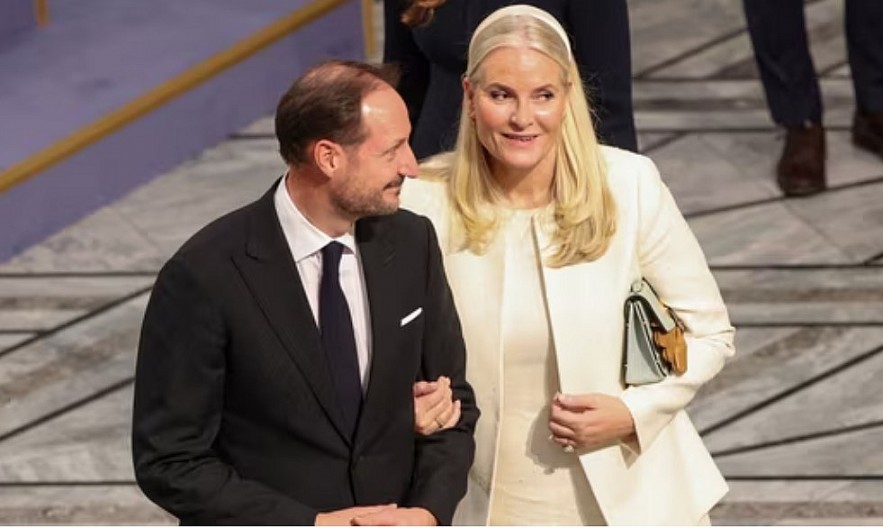 |
| Norway's Crown Princess Mette-Marit issued a second apology regarding her connections with Jeffrey Epstein, acknowledging poor judgment and the impact on her family's reputation amid legal troubles involving her son |
What Mette-Marit has said
After Epstein’s crimes became widely known, Mette-Marit addressed the issue publicly. She stated that she regretted having had any contact with Epstein and emphasized that she would never have met him had she known about his criminal behavior.
Norwegian royal officials stressed that the interactions were limited, social, and occurred before Epstein’s 2008 conviction. They also underscored that Mette-Marit had no involvement in Epstein’s activities, finances, or later network.
The palace framed the matter as a case of hindsight, not concealment.
Why the issue resurfaced
Interest in the Mette-Marit–Epstein link has been reignited by the broader release of Epstein-related documents and photographs in recent years, including material reviewed by U.S. authorities and journalists. These disclosures have prompted renewed examination of how Epstein gained access to political, financial, and royal circles across multiple countries.
While no new information has emerged tying Mette-Marit more closely to Epstein, her name periodically reappears in media coverage as part of a wider effort to map his social reach.
Impact on Norway’s royal family
The Norwegian monarchy enjoys relatively high public trust, built on transparency and a modern image. Even so, the Epstein association—however limited—proved awkward.
At the time the connection became public, Norwegian media and commentators focused less on scandal and more on judgment and boundaries. Why, critics asked, were royals engaging socially with figures whose wealth and influence were opaque?
The royal family responded by tightening internal guidelines around private associations and emphasizing greater caution in informal social settings. The episode did not lead to formal consequences for Mette-Marit, nor did it significantly damage her public standing, but it served as a reminder that royal behavior is scrutinized long after the fact.
Why it still matters
The Mette-Marit case illustrates a recurring theme in the Epstein story: his ability to move undetected through elite circles by presenting himself as respectable, connected, and philanthropic. Many of those who encountered him did so without knowledge of his crimes.
For Norway’s monarchy, the lesson was reputational rather than legal. Even brief, innocent contact can become problematic when viewed through the lens of later revelations.
In the end, the link between Mette-Marit and Epstein is limited and non-criminal. But it remains part of a larger reckoning over how power, prestige, and trust allowed Epstein access to people—and institutions—that never imagined they would one day need to explain his presence.