Epstein Files Fallout in Europe: Resignations, Royal Apologies, Suspensions, and Investigations

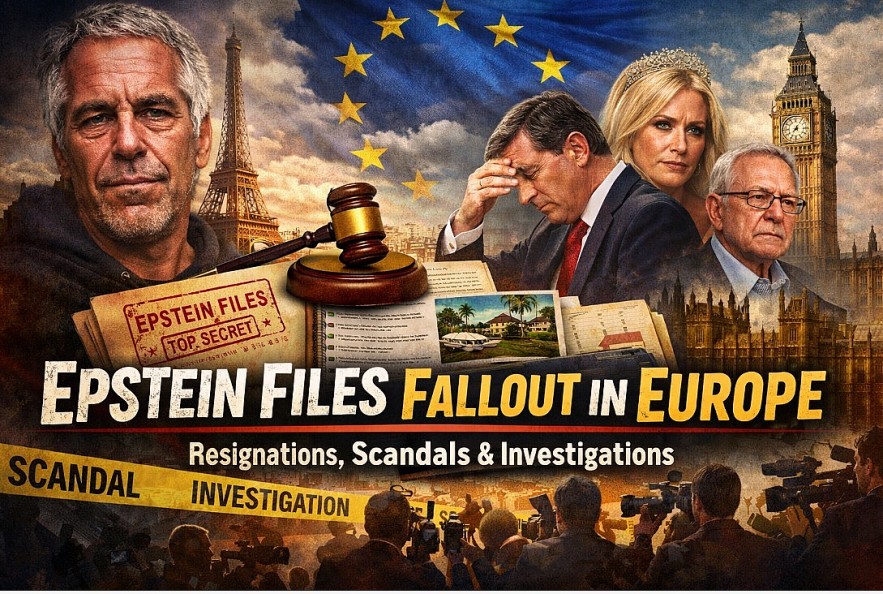 |
| The Epstein files emerged out of the United States, but most of the fallout they have caused has been concentrated across the Atlantic, in Europe |
Europe’s Epstein Files fallout is no longer a single-country scandal. It has become a rolling, cross-border crisis—powered by newly released U.S. Justice Department material that includes emails, calendars, contact logs, and other records tied to Jeffrey Epstein.
What has toppled careers isn’t proof of criminal conduct. It’s documented closeness: friendly language after Epstein’s 2008 conviction, requests for favors, travel references, and messages that look indefensible in hindsight.
France: A resignation at the heart of cultural Paris
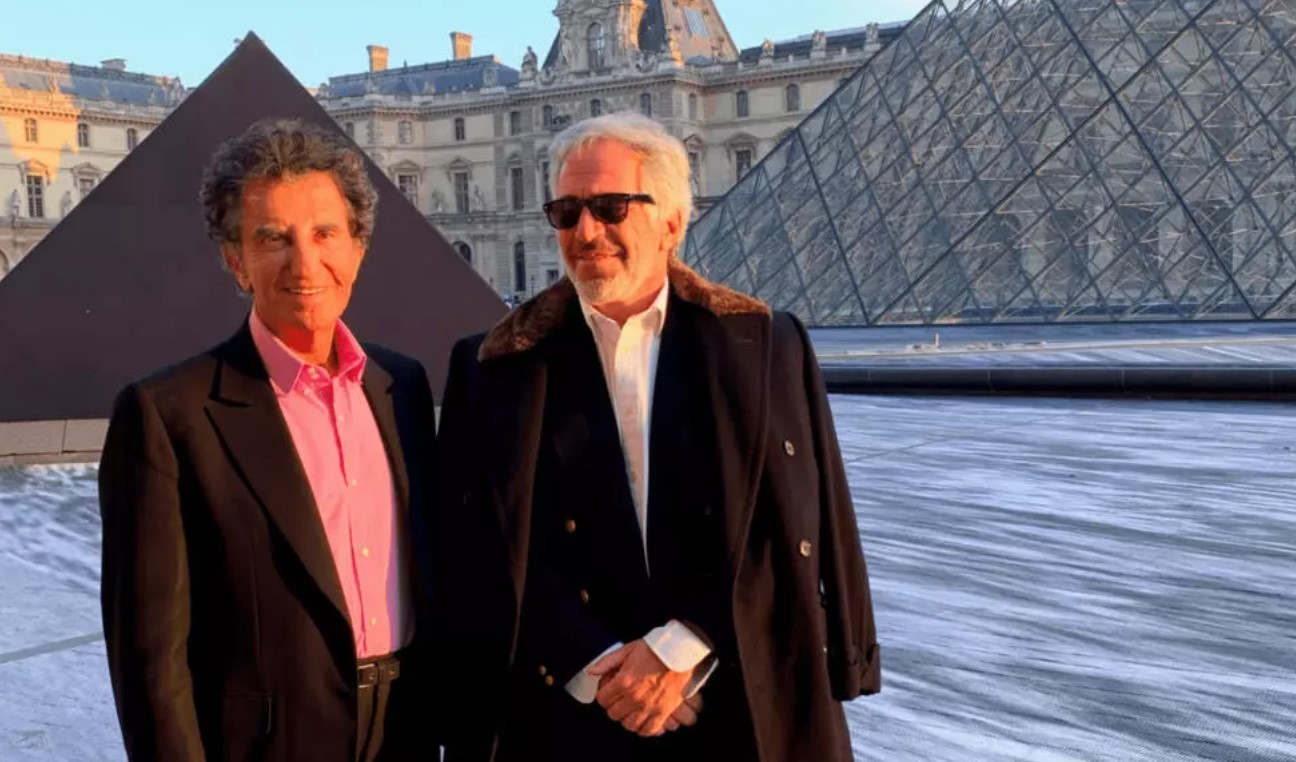
Jack Lang, a former French culture minister and long-time president of the Arab World Institute (Institut du Monde Arabe), stepped down after disclosures showed his name appearing 673 times in Epstein-related records. Reuters reporting describes post-conviction contact and emails in which Lang thanked Epstein for a “splendid time,” plus requests for favors such as use of a car and private plane—details that made continued leadership politically untenable.
The controversy widened to include scrutiny involving Caroline Lang, referenced in the same set of disclosures.
Read more: Who Is Jack Lang, and Why His Name Appears Hundreds of Times in the Epstein Files
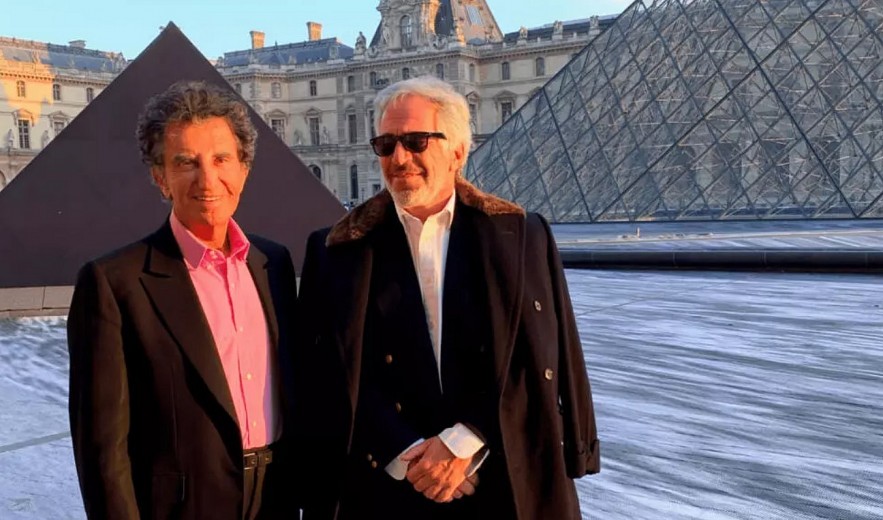 |
| Jack Lang (L) poses with Jeffrey Epstein at the Louvre in Paris, in a video released by the US administration as part of the Epstein Files |
United Kingdom: A resignation, a police probe, and political shockwaves
The UK’s most damaging case centers on Peter Mandelson, a veteran Labour figure and former ambassador to Washington. Newly disclosed emails and records reignited questions about how close the relationship was after Epstein’s conviction. Mandelson resigned from the House of Lords and the Labour Party, and UK police opened a criminal investigation into possible misconduct in public office, following reports alleging the sharing of sensitive information.
The turmoil also reached the core of government: Morgan McSweeney, the Prime Minister’s chief of staff, resigned amid a leadership crisis triggered by the Epstein-linked controversy surrounding Mandelson’s appointment and the government’s handling of it.
Separately, the AP notes renewed attention to Sarah Ferguson’s charity, which shut down this week amid fresh headlines tied to Epstein-era links and reputational pressure.
Norway: Royal apology, diplomatic suspension, and a widening inquiry
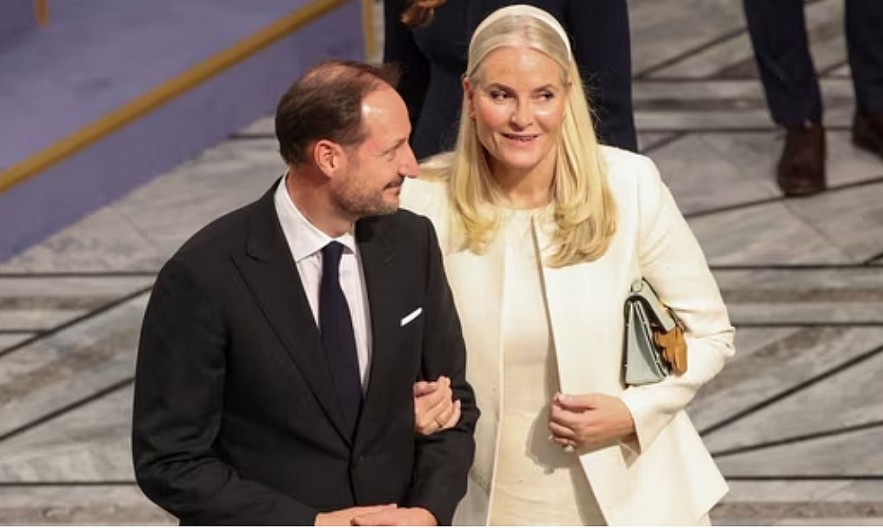 |
| Norway's Crown Princess Mette-Marit issued a second apology regarding her connections with Jeffrey Epstein, acknowledging poor judgment and the impact on her family's reputation amid legal troubles involving her son |
Norway has been among the most visibly shaken.
Crown Princess Mette-Marit issued a public apology after newly surfaced documents described post-2008 contact and exchanges that became politically explosive once made public. AP reporting includes details such as correspondence planning visits to properties and other interactions that the palace acknowledged reflected poor judgment.
Read more: Mette-Marit and Jeffrey Epstein: What the Link Was
The fallout quickly moved beyond the royal household:
-
Mona Juul, Norway’s ambassador to Jordan and Iraq, was suspended after records pointed to extensive contact with Epstein after his conviction.
-
Terje Rød-Larsen, Juul’s husband and a well-known diplomat, was also pulled into the scandal. The files indicate the couple and their children visited Epstein’s island, and a will version referenced inheritances for their children—details that intensified public outrage.
-
Thorbjørn Jagland, a former prime minister and former chair of the Nobel Committee, came under investigation by Norway’s economic crime unit on suspicion of aggravated corruption connected to alleged gifts, travel, or loans linked to Epstein-era ties.
Norway has also moved toward a broader inquiry into Foreign Ministry links, reflecting concerns that this was not just a personal scandal but an institutional vulnerability.
Sweden: A humanitarian resignation tied to an island visit
In Sweden, Joanna Rubinstein, chair of Sweden for UNHCR, resigned after revelations that she visited Epstein’s private island in 2012. The resignation reflected the reputational impossibility of leading a humanitarian organization amid such disclosures, even absent criminal allegations.
Slovakia: A national security adviser resigns after emails surface
In Slovakia, Miroslav Lajčák, a former foreign minister serving as national security adviser, resigned after files showed he exchanged emails with Epstein—including messages discussing young women. Lajčák condemned Epstein’s crimes and denied wrongdoing, but said he was stepping down to prevent political damage to the government.
Switzerland: Banking elite drawn into the record
Not every name comes with a resignation—but the scrutiny is real. Reuters reported that Ariane de Rothschild, head of the Geneva-based Edmond de Rothschild Group, agreed to meetings with Epstein in New York and Paris before his 2019 arrest.
The emails cited contained no sign of criminal wrongdoing, and the bank said she had no knowledge of Epstein’s prior conduct. Even so, the reputational hit is immediate in a sector built on trust.
Baltics and Poland: Investigations shift from reputations to potential victims
Some countries have focused less on elite embarrassment and more on possible trafficking pathways:
-
Latvia launched a human trafficking investigation after files referenced Latvian modeling agencies and included personal/travel details of Latvian women.
-
Lithuania opened its own trafficking-related probe after Epstein files included references involving prominent Lithuanians.
-
Poland announced a review team to scour the files for potential Polish victims and assess security claims raised in public debate.
Why so many European figures are “brought down” without charges
A repeated line across these cases is crucial: appearance in the files is not proof of a crime. Epstein logged names obsessively and often inflated his proximity to powerful people. But in Europe’s public institutions—royal households, foreign ministries, charities, cultural institutes—trust is the job, and reputational damage can be disqualifying long before any court ruling.