Arkansas Tragedy: Mom’s Eerie Prediction and the Mystery Behind a Family’s Death

Who Is Charity Beallis? Arkansas Mom’s Chilling Prediction Before She and Her Twin Children Were Found Dead
The quiet town of Bonanza, Arkansas, was shaken in early December when 40-year-old Charity Beallis and her twin children were found dead inside their home. What made the tragedy even harder to comprehend was the chilling warning Charity had shared with family members only months earlier. She feared her estranged husband might one day kill her.
Her death came less than 24 hours after a divorce hearing meant to close the chapter on a violent marriage. Now, investigators, relatives, and the community are piecing together how a mother who spent months fighting for safety ended up dead alongside the two children she had fiercely tried to protect.
 |
| Charity and her twin children were found shot dead in their home |
A Mother in Fear: Charity’s Chilling Prediction
According to family members, Charity had confided that she believed her husband, Dr. Randall Beallis, might kill her. This was not a vague concern. It came after a documented history of violence, including an arrest earlier in the year in which he was accused of strangling her in front of their children.
Charity shared her fear with her father, telling him she did not believe she would survive the ongoing turmoil around the divorce and custody battle. Those words have now become a haunting echo in a case where nearly every warning sign was visible, yet the outcome was not prevented.
A Violent Marriage and a Desperate Custody Fight
Public records and court filings depict a marriage marked by escalating violence. Charity had sought full custody of the twins, citing both physical danger and emotional instability in the household. The arrest of her husband on multiple charges, including aggravated assault and endangerment of minors, strengthened her determination to separate legally and create a safe life for her children.
In the months leading up to the tragedy, Charity moved through legal channels, attending hearings and providing documentation of abuse. She fought for nine months, her family said, to protect herself and her children. The final divorce hearing was held the day before she died.
The Discovery in Bonanza
Authorities responded to a welfare check call at Charity’s home on First Avenue. When deputies entered the residence, they found the bodies of Charity and her twins. All had suffered gunshot wounds. The home was sealed off as investigators collected evidence, searched for firearms, and interviewed individuals connected to the family.
Autopsies were ordered to confirm the cause and manner of death. While the sheriff’s office did not immediately label the deaths as homicide, early reports from the scene and statements from investigators made it clear that authorities were treating the case with the gravity of a violent criminal act.
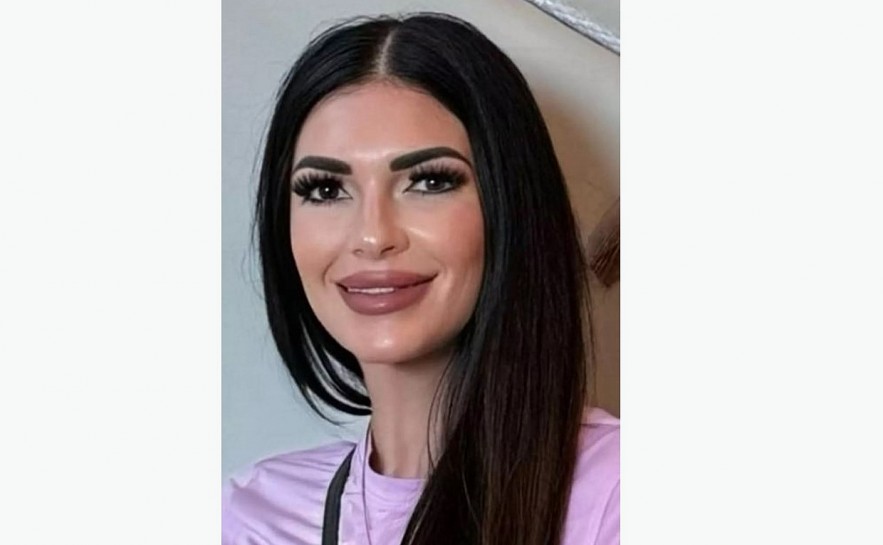 |
| Inside the Final Hours of Charity Beallis: An Arkansas Mother Who Saw Her Fate Coming |
A Divorce That Ended Too Late
Perhaps one of the most troubling developments occurred days after the deaths. The attorney for Dr. Beallis filed a motion to dismiss the divorce case entirely. Legally, if the case were dismissed, he could potentially retain marital assets that Charity had fought to secure.
This legal maneuver raised alarm among family members, who questioned whether financial motive could have played a role in the events leading up to the tragedy. Investigators have not publicly confirmed any suspect, but the relationship history and timing have intensified scrutiny.
A Community Searching for Answers
Bonanza is a small city where families know each other, which made the news hit even harder. Residents described Charity as a devoted mother who centered her life around her children. Her death left neighbors grappling with grief and unanswered questions.
Local officials have urged the public to be patient as the investigation continues. Evidence analysis, witness interviews, and autopsy results will shape the direction of the case in the coming weeks.
Why Charity’s Story Resonates Nationwide
Charity Beallis’s case has drawn attention far beyond Arkansas because it exposes a broader systemic problem. Many domestic violence victims signal danger long before tragedy occurs. Charity did everything a survivor is told to do. She sought help. She filed legal complaints. She pursued a divorce. She tried to create distance and safety.
Yet when the system fails to respond effectively, warnings like hers become tragic last messages. Her story is prompting renewed conversations about the limits of protective orders, the dangers of shared custody with violent partners, and the vulnerability survivors face during legal separation.
What Comes Next
Investigators continue to review forensic evidence and conduct interviews. The state crime lab’s autopsy results will clarify the sequence of events inside the home. Law enforcement officials have emphasized that no possibilities are being ruled out.
As the case progresses, Charity’s family demands accountability and hopes the truth will honor the fight she put up in her final months. Her story is now a public reminder that survivors often know their danger better than anyone, and that their warnings must be taken seriously.
FAQs
Who was Charity Beallis?
She was a 40-year-old mother of twins from Bonanza, Arkansas, who had recently finalized a divorce from her husband after months of documented domestic violence.
How were she and her children found?
Authorities discovered their bodies during a welfare check at her home. All three had gunshot wounds.
What was her “chilling prediction”?
Charity told her father she believed her estranged husband might kill her, a fear she expressed repeatedly during the divorce process.
Was her husband considered a suspect?
Police did not publicly confirm a suspect, but the history of violence and the timing of events led to increased scrutiny of her ex-husband.
Why is the case receiving national attention?
It highlights the dangers domestic violence survivors face even after leaving abusive partners, and raises questions about legal systems meant to protect them.