10 Most Fuel-Efficient Cars in Australia (2026): Best Picks for Drivers Facing Higher Petrol Prices

 |
| The most fuel-efficient cars in Australia for 2026 |
When petrol prices rise, “cheap to run” stops being a nice bonus and becomes the whole buying brief. For Australian drivers, that changes the shortlist fast. Big engines, heavy SUVs and old-school automatics suddenly look expensive. Hybrids, lighter cars and efficient sedans make much more sense.
This guide focuses on new cars currently sold in Australia and ranks them by official ADR combined fuel consumption. I have excluded EVs because they do not use petrol, and I have left plug-in hybrids out of the main ranking because their headline fuel numbers depend heavily on regular charging.
For most Australian buyers comparing real petrol spend, standard hybrids are the clearer, more reliable benchmark.
Top 10 most fuel-efficient cars in Australia right now
1. Toyota Yaris Hybrid
Fuel use: ~3.3L/100km
Price: from ~A$28,500
Still the most fuel-efficient mainstream car you can buy in Australia. It excels in city traffic where hybrids perform best.
Best for: Urban driving and lowest fuel spend
Limit: Small size, limited space
2. Toyota Corolla Hybrid (Hatch & Sedan)
Fuel use: ~3.9–4.0L/100km
Price: from ~A$35,000
The most balanced option in Australia. Efficient, reliable, and practical enough for most households.
Best for: Everyday use
Verdict: The safest all-round choice
3. Toyota Yaris Cross Hybrid
Fuel use: ~3.8–4.0L/100km
Price: from ~A$34,000
A small SUV that keeps fuel use impressively low. Great for drivers who want a higher seating position.
Best for: Compact SUV buyers
4. Hyundai i30 Sedan Hybrid
Fuel use: ~3.9L/100km
Price: from ~A$35,000 drive-away
Strong efficiency with better availability than Toyota. Often overlooked but very competitive.
Best for: Value + availability
5. Toyota Camry Hybrid
Fuel use: ~4.0L/100km
Price: from ~A$40,000
Ideal for long-distance driving. Maintains excellent efficiency even on highways.
Best for: Highway commuters
6. Hyundai Kona Hybrid
Fuel use: ~3.9–4.2L/100km
Price: from ~A$40,000
A practical SUV alternative with good efficiency and modern features.
Best for: Small SUV with good fuel economy
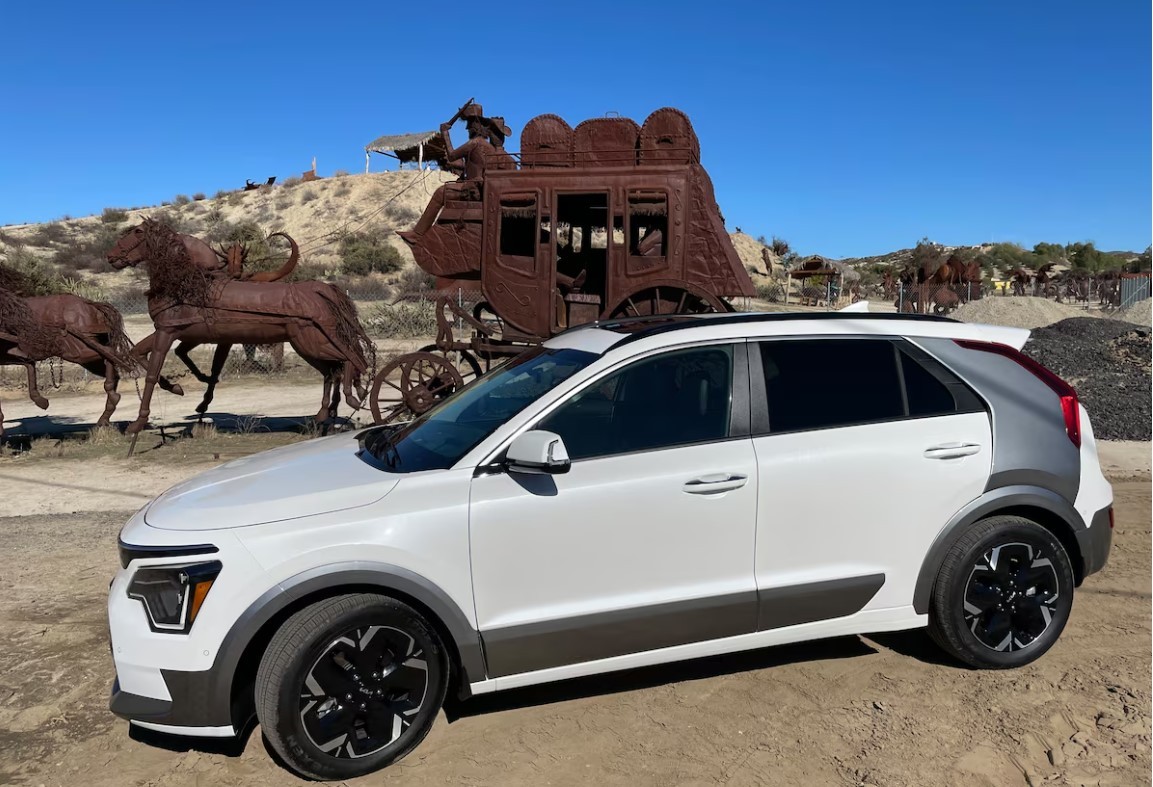
7. Kia Niro Hybrid
Fuel use: ~4.0L/100km
Price: from ~A$45,000
More space than a hatch, better efficiency than most SUVs. A niche but smart option.
Best for: Versatility
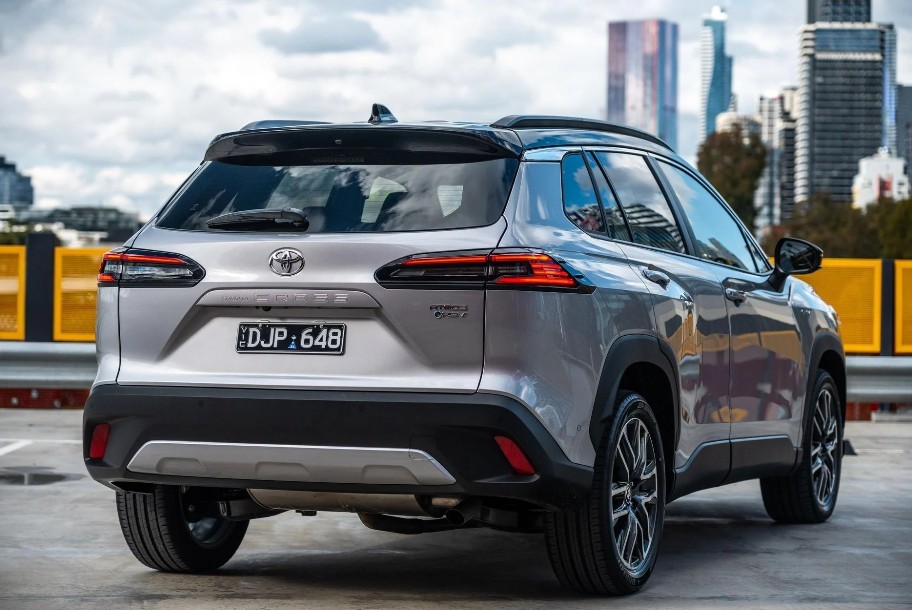
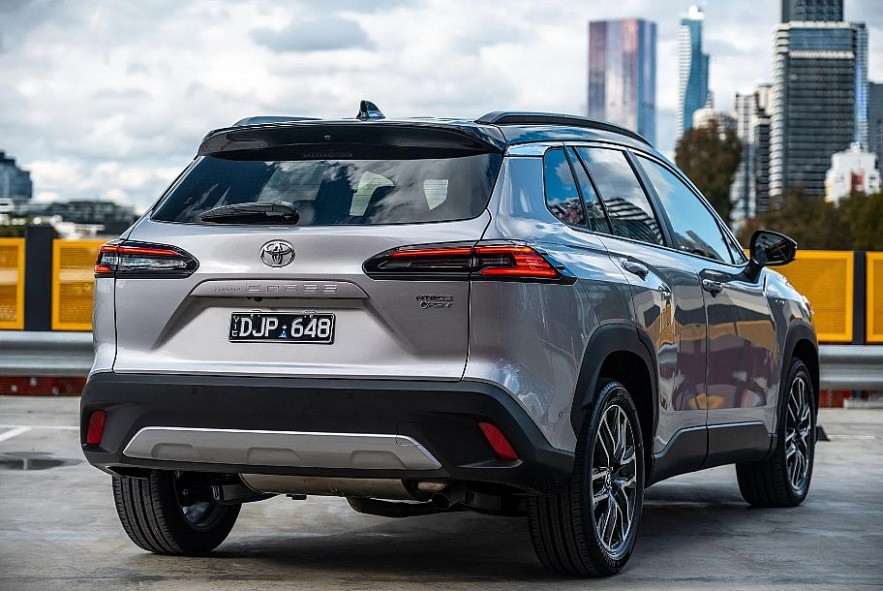
8. Toyota Corolla Cross Hybrid
Fuel use: ~4.2L/100km
Price: from ~A$41,000
A slightly larger SUV than Yaris Cross with more practicality, but slightly higher fuel use.
Best for: Families needing more space
9. Toyota C-HR Hybrid
Fuel use: ~4.0–4.1L/100km
Price: from ~A$43,000
Stylish and more premium than most small SUVs, while still keeping fuel costs reasonable.
Best for: Design-focused buyers
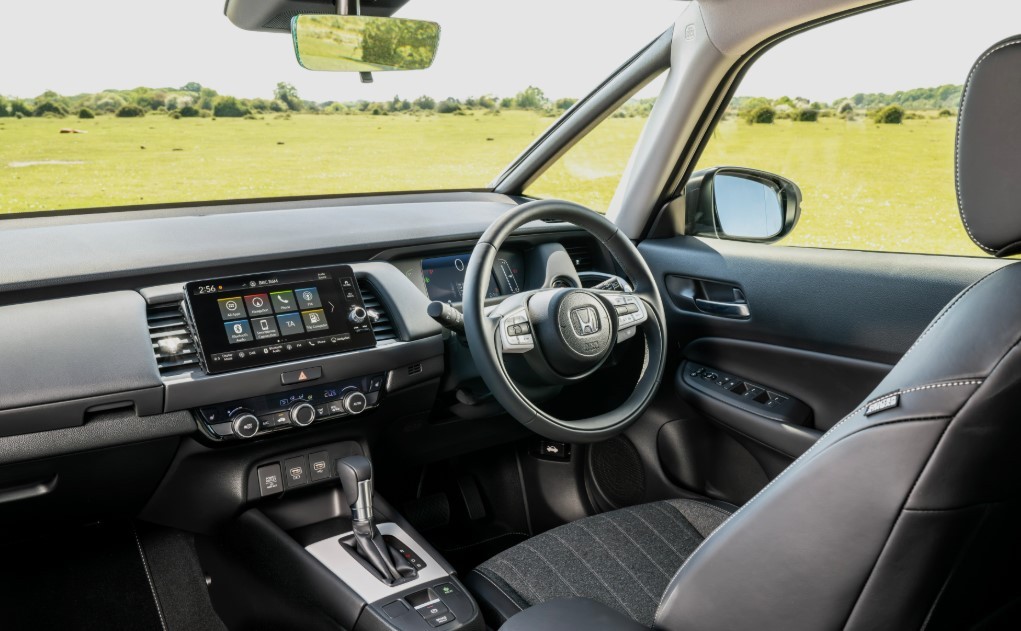
10. Honda Civic e:HEV
Fuel use: ~4.2L/100km
Price: from ~A$49,000
More expensive, but refined and efficient. Feels more premium than most cars on this list.
Best for: Comfort and driving quality
The best fuel-efficient car to buy in Australia, depending on your needs
If you only care about minimising petrol spend, the Toyota Yaris Hybrid is the clear winner. It is the cheapest of the true fuel miser cars and the most efficient in this ranking.
If you want the best blend of efficiency and SUV practicality, the Toyota Yaris Cross Hybrid is probably the smartest buy overall. It is still very frugal, but easier to live with than the Yaris for many households.
If you want the best value outside Toyota, the Hyundai i30 Sedan Hybrid stands out. At A$34,990 drive-away with 3.9L/100km, it offers a lot of efficiency for the money.
If you do lots of longer trips and want a calmer highway car, the Toyota Camry Hybrid is the practical long-distance choice. Its 4.0L/100km figure is exceptional for a car of its size.
The cars that just missed the top 10
Two notable near-misses deserve mention. The Toyota Corolla Cross Hybrid uses 4.2L/100km and, after Toyota’s 2025 update, starts from A$41,190 plus on-road costs in GXL 2WD form. It narrowly misses the main ten here mostly because the ranking above already includes several slightly more efficient cars at lower prices.
The Honda HR-V e:HEV is another practical option. Honda’s current HR-V line starts from A$32,900, while Honda data around the hybrid shows combined consumption of about 4.3L/100km. It is a useful real-world city SUV, but not quite efficient enough to crack this top ten on the numbers alone.
Practical buying advice for Australians trying to cut fuel bills
The first thing to remember is that city and suburban driving favour hybrids more than long, fast country trips. If most of your week is school runs, traffic lights and short errands, a hybrid will usually deliver its best savings. If you spend most of your time at 110km/h on regional highways, the gap between these cars can shrink. That is one reason small hybrids shine in Sydney, Melbourne and Brisbane commuting, but a Camry Hybrid can make more sense for heavier motorway use.
Second, be careful with price-versus-savings math. A more efficient car is not always the cheaper car to own. Paying A$15,000 extra for a premium hybrid can wipe out years of petrol savings. For many buyers, the real sweet spots are the Yaris, Yaris Cross, i30 Sedan Hybrid and Kona Hybrid because they combine strong fuel numbers with relatively accessible pricing.
Third, look beyond the fuel figure and check the ownership program. Toyota promotes capped-price servicing on several hybrids, including the Corolla Cross at A$250 per service for up to five years or 75,000km, while Honda highlights five low-price services at A$199 for eligible new vehicles. Those costs matter when petrol prices are high and households are watching the full monthly spend, not just what happens at the bowser.
Finally, treat the official fuel number as a comparison tool, not a guarantee. ADR figures are useful because they put cars on a common test cycle, but your real-world result will still depend on temperature, traffic, tyre pressure, terrain, speed and how often you carry passengers or gear.
Final verdictFor most Australians in 2026, the most sensible fuel-efficient new-car shortlist starts like this: • Best overall: Toyota Yaris Cross Hybrid • Cheapest to fuel: Toyota Yaris Hybrid • Best value alternative to Toyota: Hyundai i30 Sedan Hybrid • Best efficient SUV: Hyundai Kona Hybrid • Best long-distance hybrid: Toyota Camry Hybrid • Best premium small hybrid: Lexus LBX Hybrid |