Best Cheap Fuel-Efficient Cars in the USA (2026): 5 Smart Picks That Save Money

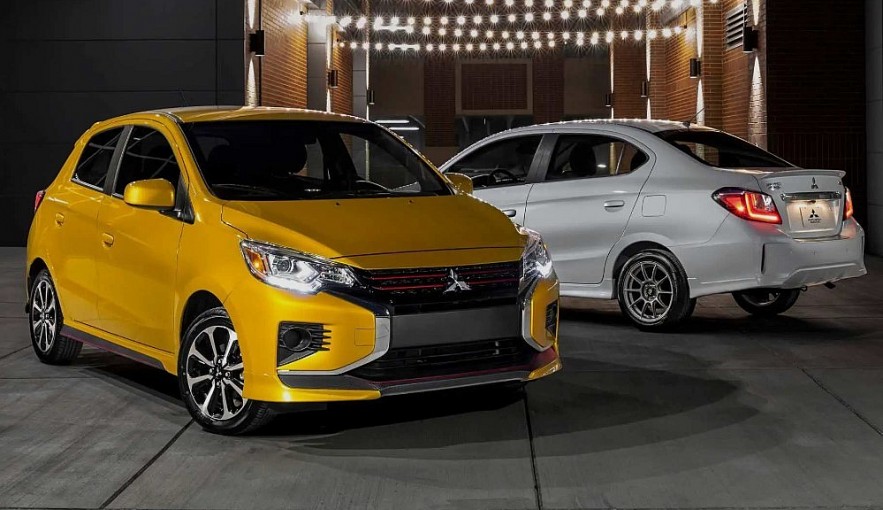 |
| Mitsubishi Mirage |
Quick Picks: What Should You Buy?If you want a fast answer, start here: • Best overall value: Nissan Versa • Cheapest to buy: Mitsubishi Mirage • Best all-round daily car: Kia Rio • Most comfortable budget option: Hyundai Accent • Best long-term ownership: Toyota Corolla (gas model) These five cars strike the best balance between low upfront cost, strong fuel economy, and realistic ownership costs in today’s U.S. market. |
With fuel prices still unpredictable across the U.S., many buyers are rethinking their priorities. While hybrids dominate efficiency headlines, they often cost several thousand dollars more upfront. For budget-focused drivers, a simple, small gasoline car can still be the smartest financial decision.
This updated guide focuses on non-hybrid, non-electric cars currently available (or very recently available) in the U.S., using latest EPA fuel economy data and current market pricing trends. The goal is simple: find cars that actually save money in real life, not just on paper.
Read more: Top 10 Most Fuel-Efficient Cars in the US (2026)
1. Mitsubishi Mirage
Fuel economy: up to 36 mpg combined (39 mpg highway)
Price: from ~$17,000
The Mirage remains the lowest-cost new car in the U.S. and one of the most fuel-efficient without hybrid tech.
Its lightweight design is the key. It uses less fuel in stop-and-go traffic than many larger cars.
Best for: ultra-tight budgets, city driving
Keep in mind: very basic performance and features
2. Nissan Versa
Fuel economy: up to 35 mpg combined (40 mpg highway)
Price: from ~$17,500
The Versa is the sweet spot for most buyers. It’s still cheap, but far more refined than the Mirage.
It offers a comfortable ride, good safety tech, and strong real-world efficiency.
Best for: everyday drivers who want balance
Why it wins: price + comfort + MPG
3. Kia Rio
Fuel economy: up to 36 mpg combined (41 mpg highway)
Price: from ~$17,800
The Rio is one of the easiest cars to live with in this segment. It’s smooth, efficient, and practical for daily commuting.
Best for: consistent, hassle-free driving
Strength: strong real-world MPG and usability
4. Hyundai Accent
Fuel economy: up to 36 mpg combined (41 mpg highway)
Price: from ~$18,000
Very similar to the Rio mechanically, but slightly more comfort-focused.
Best for: smoother ride and simple ownership
Why consider it: low maintenance and reliability
5. Toyota Corolla (Gas)
Fuel economy: up to 35 mpg combined (41 mpg highway)
Price: from ~$22,000
The Corolla costs more upfront, but it’s often the cheapest to own long-term thanks to reliability and resale value.
Best for: long-term ownership
Verdict: spend more now, save later
What Actually Matters When Choosing a Cheap Fuel-Efficient Car
1. Total cost beats fuel economy alone
A car that saves 3–5 mpg but costs $4,000 more may take years to break even. Always compare:
- Purchase price
- Insurance
- Maintenance
- Fuel
For many buyers, the Versa or Rio ends up cheaper overall than more “efficient” but pricier options.
2. Real-world MPG vs EPA numbers
EPA ratings are useful, but your results depend on:
- Driving style (aggressive vs smooth)
- Trip length (short trips use more fuel)
- Weather (cold reduces efficiency)
In real U.S. driving, most cars on this list perform closer than the numbers suggest.
3. City vs highway driving
- City driving: smaller, lighter cars like Mirage perform best
- Highway driving: differences shrink; comfort matters more
If you commute on highways daily, prioritize ride quality over tiny MPG gains.
4. Simplicity reduces long-term risk
Non-hybrid cars:
- Cost less to repair
- Have simpler systems
- Are easier to maintain
This is a major reason they still make sense for budget buyers.
5. Availability and timing matter
Some models (like Rio and Accent) are being phased out or limited in supply. If you find one at a good price, it may be worth acting quickly.
Bottom line
You don’t need a hybrid to save money on fuel in the U.S.
For most people, the smartest move is simple:
Buy a small, affordable gasoline car with proven efficiency and low ownership costs
That’s how you save money not just at the pump—but over the entire life of the car.