When Online Memes Spill Into Real Life: How Digital Culture Wars Are Changing Everyday Interactions

 |
| Online Memes Spill Into Real Life |
Not long ago, internet memes were easy to dismiss as harmless jokes—a quick laugh before scrolling on. Today, some memes and phrases carry far more weight. They arrive loaded with political and cultural meaning, and when they cross from screens into real life, they can quietly—but profoundly—change how Americans interact with one another.
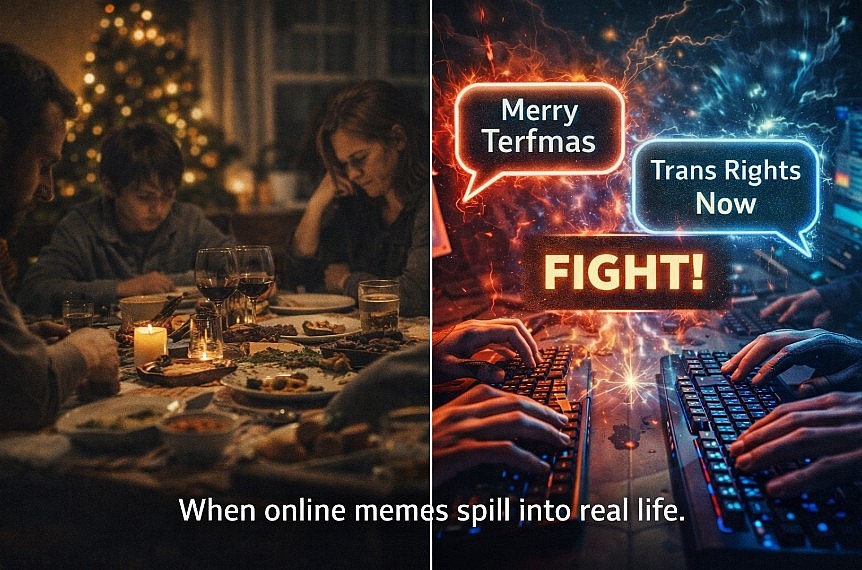
Terms like “Merry Terfmas” are just one example of a broader phenomenon: online language born in niche corners of social media spreading into daily conversations, often without shared context. What starts as satire or provocation online can feel confrontational, confusing, or even threatening offline.
From digital shorthand to social signal
On social platforms, memes work because they compress complex ideas into a few words or images. They signal identity quickly: who you agree with, who you oppose, where you stand. In digital spaces, that efficiency is rewarded.
Offline, the same shorthand can backfire.
When a phrase with heavy cultural baggage appears at a dinner table, in a classroom, or at work, it often lands without explanation. Listeners are left to decode intent: Is this a joke? A provocation? A test? The uncertainty itself creates tension.
As one workplace mediator put it, “People aren’t arguing more—they’re talking less, because they’re afraid of what words might trigger.”
Holiday gatherings: where silence replaces small talk
Nowhere is this shift more visible than during the holidays. Traditionally, end-of-year gatherings revolved around familiar rituals: food, family updates, light jokes. Increasingly, Americans report navigating conversations like a minefield.
A meme or phrase picked up online can derail a room. Some guests withdraw entirely. Others respond defensively. Even those who don’t recognize the reference feel the mood change.
As a result, many families adopt informal rules: no politics, no social media topics, no “internet jokes.” The irony is that these rules often exist because online culture has already shaped expectations—even when nobody names it out loud.
The workplace effect: professionalism under pressure
Offices are another place where digital culture wars quietly surface. Human resources professionals say employees are increasingly cautious, not just about what they say, but how jokes or casual remarks might be interpreted.
A meme that seems funny online can feel inappropriate—or risky—at work. Some employees worry that repeating a phrase could be read as endorsing a political stance or targeting a colleague’s identity, even if that wasn’t the intent.
This has led to a paradox: workplaces are more diverse and inclusive than ever, yet everyday communication feels more constrained. Small talk shrinks. Humor becomes safer but blander. People stick to neutral topics—or avoid conversation altogether.
Classrooms and campuses: teaching amid loaded language
Educators face a unique challenge. Students arrive fluent in online language, where irony, sarcasm, and coded references are normal. But classrooms depend on shared definitions and mutual respect.
When controversial memes or terms surface in discussions, teachers must decide whether to address them directly or redirect the conversation. Either choice carries risk. Ignoring the language can feel like avoidance; confronting it can escalate tension.
Some educators now spend time teaching media literacy alongside course content—helping students unpack where certain phrases come from and why they provoke strong reactions outside digital spaces.
Why everyday interactions feel more fragile
At the heart of this shift is context collapse. Online, people speak to imagined audiences who share their assumptions. Offline, audiences are mixed: different ages, beliefs, experiences, and tolerance for ambiguity.
Without shared context, words carry unintended meanings. A phrase meant as satire can sound hostile. A joke meant to critique power can feel personal. In response, many Americans choose silence over misunderstanding.
This doesn’t mean people are less opinionated. It means they are more selective about where—and with whom—they express those opinions.
The emotional toll of constant vigilance
For many, the most exhausting part isn’t disagreement—it’s anticipation. The mental effort of filtering language, scanning reactions, and worrying about missteps adds up.
Parents describe coaching children on what not to repeat from social media. Friends avoid group chats that feel too charged. Coworkers stick to emails instead of conversations.
Over time, this vigilance reshapes social norms. Politeness becomes less about kindness and more about risk management.
Can the spillover be reversed?
Some observers see signs of fatigue. As culture-war language saturates more spaces, its shock value diminishes. Others note a growing desire for clearer boundaries between online performance and offline relationships.
Small shifts help. Asking clarifying questions instead of assuming intent. Choosing curiosity over reaction. Recognizing that not every phrase is a challenge—and not every silence is agreement.
Ultimately, memes lose power when they stop defining real-world interactions. That requires effort from individuals, institutions, and platforms alike.
What this moment says about American culture
The spillover of digital culture wars into everyday life reveals something deeper: Americans are renegotiating how language, identity, and community fit together in a hyper-connected age.
Memes may seem trivial, but their impact isn’t. They shape who feels comfortable speaking, who stays quiet, and how people relate across difference.
As 2026 approaches, the question isn’t whether online culture will influence offline life—it already has. The question is whether Americans can reclaim shared spaces as places for conversation, not confrontation.
 How Americans Can Still Access Free Food as Food Bank Funding Crumbles How Americans Can Still Access Free Food as Food Bank Funding Crumbles As federal cuts slash millions from food distribution programs, here’s how individuals and families can still find help. |
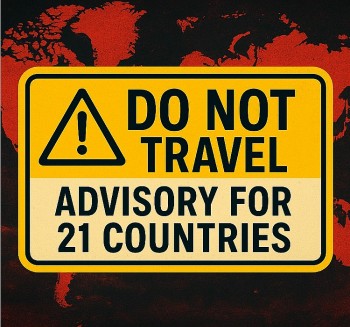 U.S. Issues “Do Not Travel” Advisory for 21 Countries - Full List and What It Means U.S. Issues “Do Not Travel” Advisory for 21 Countries - Full List and What It Means The U.S. warns citizens against visiting 21 high-risk countries due to war, terrorism, and civil unrest. These Level 4 travel advisories reflect growing global instability ... |
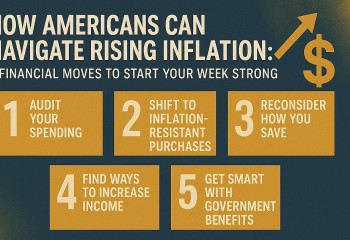 How Americans Can Navigate Rising Inflation: 5 Financial Moves to Start Your Week Strong How Americans Can Navigate Rising Inflation: 5 Financial Moves to Start Your Week Strong Rising inflation in 2025 is tightening budgets across the U.S. Discover five expert-backed financial strategies to protect your wallet and start your week strong. |