The World’s Most Beautiful Airports - and Why Two of Them Are in the U.S.

 Top 11 Weirdest Airports Around the World Top 11 Weirdest Airports Around the World |
 How Many Airports Are There in the U.S Today? How Many Airports Are There in the U.S Today? |
 Top 10 Busiest AirPorts in the U.S Based on Passengers Top 10 Busiest AirPorts in the U.S Based on Passengers |
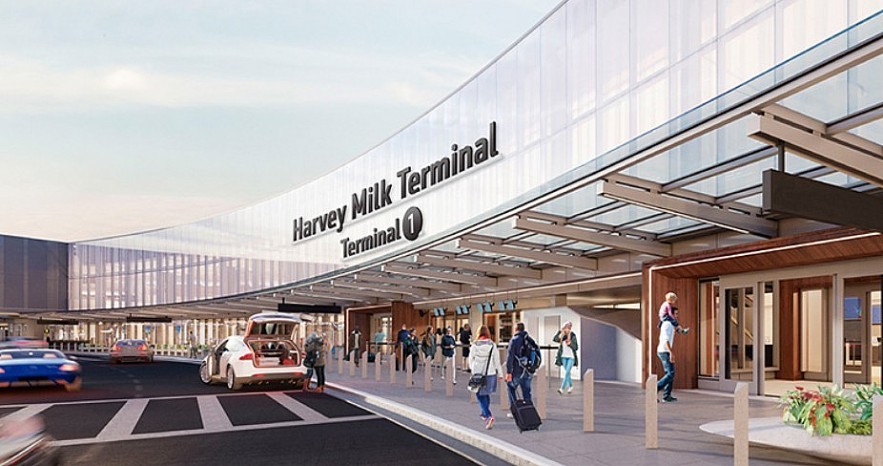 |
| San Francisco International Airport – Harvey Milk Terminal 1 |
How This Ranking Was Compiled
This Top 10 list is not based on popularity alone. It is a curated synthesis of the most recent and authoritative global rankings focused on airport architecture and design quality, including:
-
Prix Versailles (UNESCO-backed global architecture awards), widely regarded as the most credible benchmark for airport aesthetics and sustainability
-
Independent international design assessments from Business Traveller, People Magazine, and architecture-focused aviation reviews
-
Recent terminal openings or renovations evaluated between 2024–2026
The emphasis is on architectural beauty, spatial experience, cultural expression, and environmental design rather than passenger volume or operational efficiency.
Two airports from the United States appear in this year’s Top 10, reflecting a shift toward design-led infrastructure in North America.
The Top 10 Most Beautiful Airports in the World
1. Singapore Changi Airport (Singapore)
Opened: 1981 (Jewel Changi complex opened in 2019)
-
Scale: Four passenger terminals plus Jewel; over 90 million passengers annually
-
Why it ranks:
Singapore Changi Airport has redefined what an airport can be. The Jewel complex, anchored by a 130-foot indoor waterfall and a multi-level indoor forest, blurs the line between transportation hub and public destination. Natural light, lush landscaping, and intuitive circulation consistently place Changi at the top of global design and experience rankings.
2. Yantai Penglai International Airport – Terminal 2 (China)
-
Opened: 2023
-
Scale: Approximately 1.8 million square feet; capacity of 12 million passengers annually
-
Why it ranks:
Terminal 2 is widely praised for its calm, ocean-inspired architecture. Soft curves, expansive skylights, and a restrained material palette create a stress-reducing passenger environment. Its recognition by Prix Versailles reflects a broader shift in Chinese airport design toward human-centered, experience-driven architecture.
Read more:
- Top 10 Smallest Airports in the US by Size: Tiny Terminals, Big Charm
- Top 10 Largest Airports in the US by Land Area - Aviation on a Grand Scale
3. Marseille Provence Airport – Terminal 1 (France)
-
Reopened: 2024 following a full redesign
-
Architect: Foster + Partners
-
Scale: Part of a 22-million-passenger airport system
-
Why it ranks:
The new Terminal 1 balances Mediterranean openness with contemporary sustainability. Reused concrete, daylight-filled halls, and seamless indoor-outdoor transitions give the terminal a distinctly regional character while meeting modern environmental standards.
4. Roland Garros Airport – Arrival Terminal (Réunion)
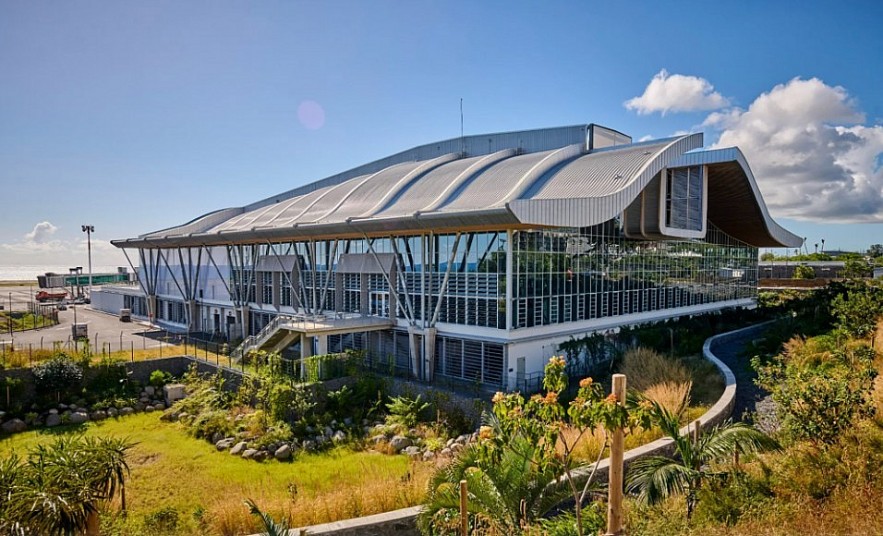 |
| World’s Most Beautiful Airports: Roland Garros Airport Arrivals Terminal |
-
Opened: 2024
-
Scale: Approximately 140,000 square feet
-
Why it ranks:
Designed specifically for a tropical climate, the arrival terminal relies on passive cooling, cross-ventilation, and locally sourced materials. The result is a terminal that feels closer to a civic pavilion than a conventional airport, earning international praise for climate-responsive design.
5. Kansai International Airport – Terminal 1 (Japan)
-
Opened: 1994 (major renovations completed 2018–2023)
-
Architect: Renzo Piano
-
Scale: Serves roughly 30 million passengers annually
-
Why it ranks:
Built on an artificial island in Osaka Bay, Kansai remains one of the most ambitious infrastructure projects ever completed. Its sweeping, mile-long roof and highly legible interior layout continue to influence airport design worldwide more than three decades after opening.
6. San Francisco International Airport – Harvey Milk Terminal 1 (United States)
-
Reopened: 2024 after a multi-phase redevelopment
-
Scale: Approximately 1 million square feet
-
Award: World’s Most Beautiful Airport, Prix Versailles 2025
-
Why it ranks:
Harvey Milk Terminal 1 sets a new benchmark for U.S. airport design. Extensive daylighting, locally sourced materials, curated Bay Area art, and a strong sustainability framework combine to create a terminal that feels human-scaled, calm, and distinctly Northern Californian.
7. Portland International Airport – Main Terminal (United States)
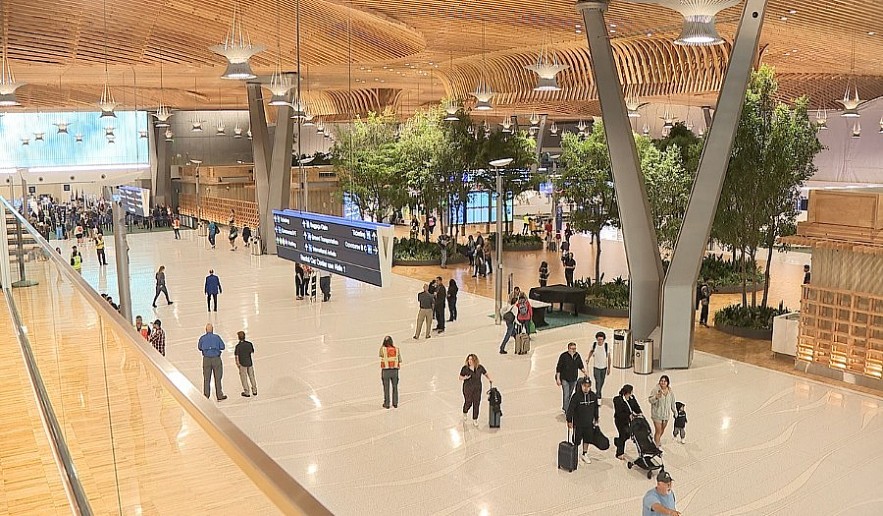 |
| Portland International Airport's new main terminal |
-
Reopened: 2024
-
Scale: Part of a 9-billion-dollar airport redevelopment program
-
Why it ranks:
Portland’s new terminal is defined by a massive timber roof constructed from locally sourced wood. The design evokes the forests of the Pacific Northwest, creating an atmosphere that is warm, regional, and unusually welcoming for a major international airport.
8. Hamad International Airport (Qatar)
-
Opened: 2014 (major expansion completed in 2022)
-
Scale: Over 6.5 million square feet; capacity exceeding 60 million passengers annually
-
Why it ranks:
Hamad International Airport combines monumental scale with museum-level craftsmanship. Large-format art installations, dramatic ceiling heights, and premium finishes position the airport as both a transportation hub and a cultural showcase for Qatar.
9. Beijing Daxing International Airport (China)
-
Opened: 2019
-
Architect: Zaha Hadid Architects
-
Scale: Approximately 7.5 million square feet; designed for up to 100 million passengers annually
-
Why it ranks:
The starfish-shaped terminal minimizes walking distances while maintaining visual continuity across a massive footprint. Daxing stands out for its structural ambition, fluid geometry, and efficient passenger flow within one of the world’s largest buildings.
10. Marrakech Menara Airport (Morocco)
-
Reopened: 2016
-
Scale: Approximately 1.7 million square feet
-
Why it ranks:
Marrakech Menara is celebrated for its strong cultural identity. Traditional Islamic patterns, filtered daylight, and a decorative facade transform the terminal into a contemporary expression of Moroccan architecture rather than a generic global airport.
Bonus: Beautiful Airports Frequently Shortlisted
Several airports regularly appear on global design shortlists but narrowly missed this year’s Top 10:
-
Zayed International Airport – Opened 2023, known for its dramatic roof structure
-
Suvarnabhumi Airport – A landmark of large-scale terminal design in Southeast Asia
-
Incheon International Airport – Consistently recognized for combining design quality with passenger experience
Why Airport Beauty Matters Today
Airports are no longer just transit points. They are national gateways, cultural showcases, and economic symbols. The airports on this list succeed because they balance aesthetics with function, sustainability with scale, and global ambition with local identity.
As passenger expectations rise, beauty has become a competitive advantage. The best airports now reduce stress, create emotional connection, and turn travel time into meaningful experience.