Israel Calendar 2026: List of Public Holidays, Festivals and Celebrations

 Israel - Palestine Conflict: History, Timeline, Causes and More Israel - Palestine Conflict: History, Timeline, Causes and More |
 Israel And Arab Conflict: Background, History and Key Events Israel And Arab Conflict: Background, History and Key Events |
 Why Does America Support Israel As A Best Friend? Why Does America Support Israel As A Best Friend? |
 |
| Israel Calendar 2026 |
Israel’s holiday calendar is unlike any other in the world. It blends ancient biblical traditions, modern national identity, and a unique weekly rhythm, creating a year that feels deeply structured yet constantly shifting.
If you are planning travel, business, or content around Israel in 2026, understanding this calendar is essential. Holidays affect transport, business hours, tourism flow, and even national mood—often starting the evening before and lasting several days.
Read more: Jewish Holidays and Traditions Explained: From Passover to Hanukkah
How the Israel Calendar Works (What Most People Get Wrong)
The Israel calendar 2026 follows the Hebrew lunisolar calendar, not the standard Gregorian system.
Here are three key rules:
• Holidays begin at sunset, not midnight
• Dates change every year on the Western calendar
• The work week runs Sunday–Thursday, with Friday–Saturday as the weekend
This means if a holiday is listed on April 2, it typically starts on the evening of April 1.
Full List of Major Israel Holidays and Festivals 2026
Below is a clear, structured list of the most important Jewish holidays and national observances in Israel for 2026, grouped by season.
Spring 2026: Freedom, Memory, and Nationhood
Purim (March 2–4, 2026)
A joyful, carnival-like holiday celebrating survival in ancient Persia. Expect costumes, street parties, and public celebrations—especially in Jerusalem.
Passover / Pesach (April 1–8, 2026)
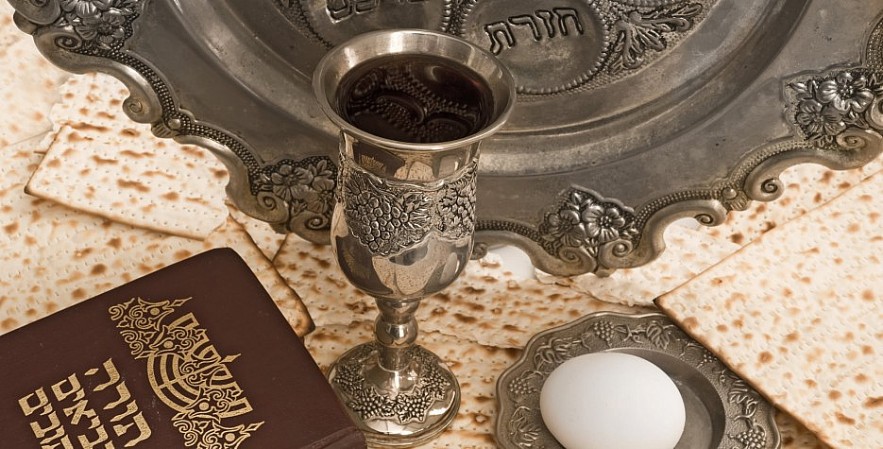 |
| Passover starts on the 15th day of Nisan in the Hebrew calendar and lasts for 7 or 8 days, usually in April |
One of the most important Jewish holidays, marking the Exodus from Egypt.
- First day: April 2
- Last day: April 8
- Includes Seder dinners, nationwide travel, and major closures
Yom HaShoah (April 13–14, 2026)
Holocaust Remembrance Day. Sirens sound nationwide, and daily life pauses in silence.
Yom HaZikaron (April 20–21, 2026)
Memorial Day for fallen soldiers and victims of terrorism. A deeply emotional national observance.
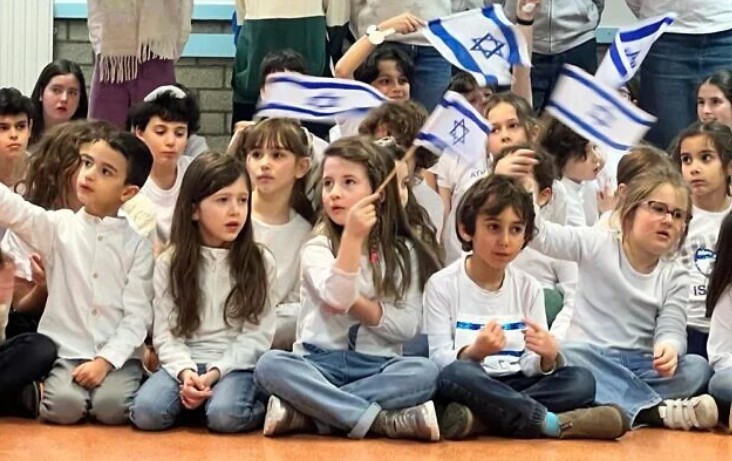
Yom HaAtzmaut (April 21–22, 2026)
Israel Independence Day. Celebrations shift instantly from mourning to joy—fireworks, concerts, and public events.
Late Spring to Summer: Tradition and Celebration
Lag BaOmer (May 4–5, 2026)
Bonfires, outdoor gatherings, and weddings mark this festive break in a semi-mourning period.
Yom Yerushalayim (May 14–15, 2026)
Jerusalem Day celebrates the reunification of the city. Expect parades and ceremonies.
Shavuot (May 21–22, 2026)
Commemorates the giving of the Torah. Known for:
- Dairy-based foods
- All-night study traditions
- A quieter, reflective atmosphere
Summer 2026: Reflection and Renewal
Tisha B’Av (July 22–23, 2026)
A solemn fast day mourning the destruction of the ancient Temples. One of the most serious dates in the Jewish calendar.
Tu B’Av (July 28–29, 2026)
Often called the “Jewish Valentine’s Day,” associated with love and matchmaking.
 What is Tu Bishvat - Jewish New Year: Customs, Celebrations And Foods What is Tu Bishvat - Jewish New Year: Customs, Celebrations And Foods |
Fall 2026: The Most Important Holiday Season
This is the peak period of the Israel calendar, when multiple major holidays occur close together.
Rosh Hashanah (September 11–13, 2026)
Jewish New Year. A time of reflection and renewal.
- Expect nationwide closures
- Heavy travel and family gatherings
Yom Kippur (September 20–21, 2026)
The holiest day in Judaism.
- Almost all activity stops
- No driving in most areas
- Streets become silent
Sukkot (September 25 – October 2, 2026)
A joyful harvest festival featuring temporary outdoor shelters (sukkahs).
Includes Chol HaMoed (Sept 28–Oct 1), when many Israelis travel domestically.
Simchat Torah (October 2–3, 2026)
Celebrates the completion of the Torah reading cycle.
In Israel, it is combined with Shemini Atzeret and marked by dancing and celebration.
Winter 2026: Light and Tradition
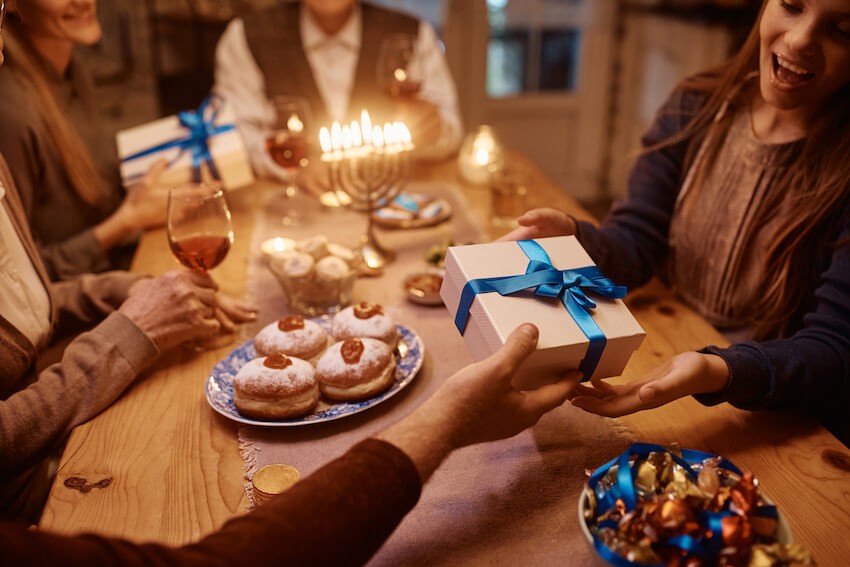
Hanukkah (December 4–12, 2026)
Festival of Lights, widely celebrated across Israel.
- Menorah lighting each night
- Family gatherings
- Public displays and tourism-friendly atmosphere
Why Israel’s Holiday Calendar Feels Unique
What sets Israel apart is not just the number of holidays—but their emotional contrast and national scale.
Joyful celebrations: Purim, Hanukkah, Independence Day
Deeply solemn days: Yom HaShoah, Yom Kippur
Family-centered traditions: Passover, Sukkot
In Israel, these are not private observances—they shape the entire country. Streets empty, businesses close, or entire cities turn into festivals depending on the occasion.
Key Travel and Planning Tips for 2026
If you are visiting or working with Israel, these insights will save you time and stress:
- Always check sunset start times (holidays begin the evening before)
- Expect transport disruptions during major holidays
- Avoid travel during Passover and High Holy Days peak dates
- Book early for Sukkot and Hanukkah tourism seasons
Understanding the calendar is not optional—it is essential.
The Bigger Picture
The Israel calendar 2026 is more than a list of dates. It reflects:
- Ancient religious tradition
- Modern national identity
- A rhythm of life built around memory, resilience, and renewal
From silence on Yom Kippur to celebration on Independence Day, the calendar tells the story of a nation—past and present.