Ilhan Omar Under Fire: Behind Wealth Questions and Minnesota’s Largest Aid Fraud Case

 |
| Ilhan Omar faces investigation |
Inside the Ilhan Omar Controversy: Overlooked Facts Fuel Renewed Scrutiny
Rep. Ilhan Omar is once again at the center of political controversy, but beyond the loud accusations and partisan talking points lie lesser-known details that few media outlets have explored in depth.
The current backlash combines two narratives that have increasingly merged in public debate: Omar’s rising personal wealth since entering Congress and Minnesota’s massive pandemic aid fraud scandal. While no criminal charges have been filed against her, critics argue that unanswered questions remain, particularly around transparency, oversight, and political responsibility.
Read more: Who is Ilhan Omar? Renewed Controversy, Biography, Career and Personal Life
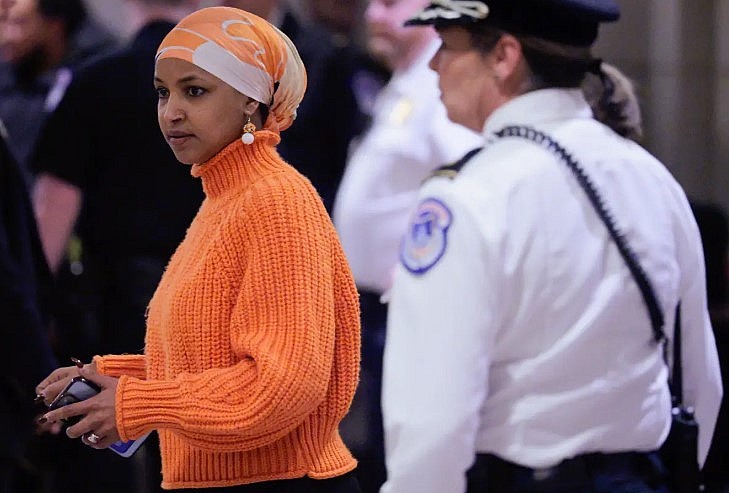
| Who Is Ilhan Omar? Ilhan Omar is a Democratic member of the U.S. House of Representatives, serving Minnesota’s 5th Congressional District. First elected in 2018, she made history as one of the first two Muslim women in Congress and the first Somali American lawmaker. Born in Somalia, Omar arrived in the United States as a refugee and later became active in local politics. In Congress, she is known for her progressive positions on healthcare, climate policy, immigration reform, and social justice. Omar is also a high-profile national figure who often draws strong support and sharp criticism. |
What financial disclosures really show
One underreported detail is how congressional financial disclosures actually work. Members of Congress are not required to report exact dollar amounts. Instead, assets are listed in broad ranges, which can create the appearance of dramatic wealth jumps from one year to the next.
Ethics specialists point out that even modest changes, such as refinancing a home, selling property, or combining finances with a spouse who has higher earnings, can shift reported values into higher brackets. In Omar’s case, public filings reflect income streams common among senior lawmakers, including speaking fees and publishing-related earnings tied to her national profile.
These disclosures are reviewed annually, yet the process is largely administrative. Investigations typically begin only if false statements or omitted assets are identified. To date, no such finding has been made public in Omar’s case, a nuance often missing from viral claims.
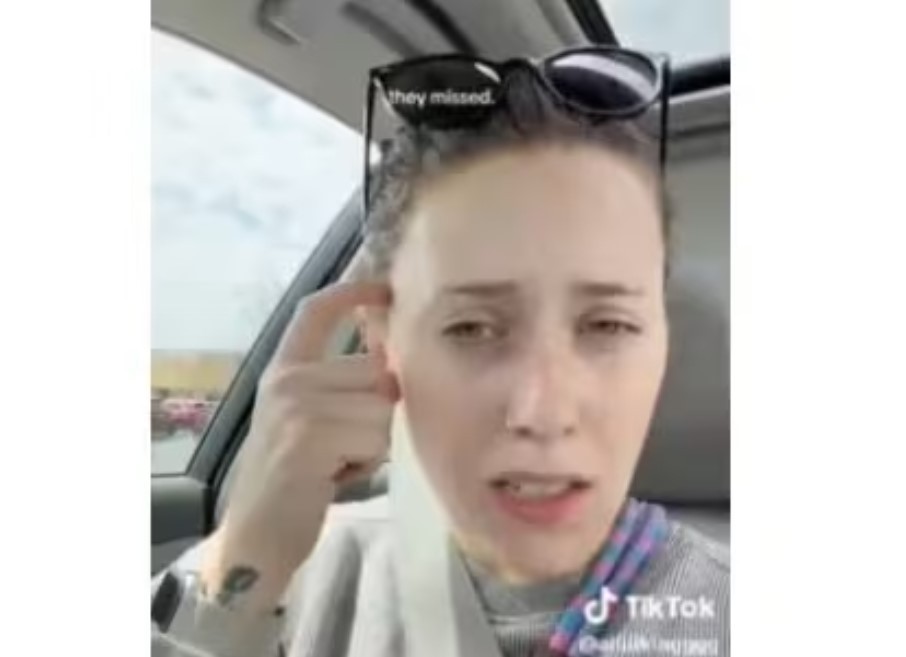
Read more: Viral Video Raises Oversight Questions Over Minnesota Daycare Funding
Aid fraud case reveals policy blind spots
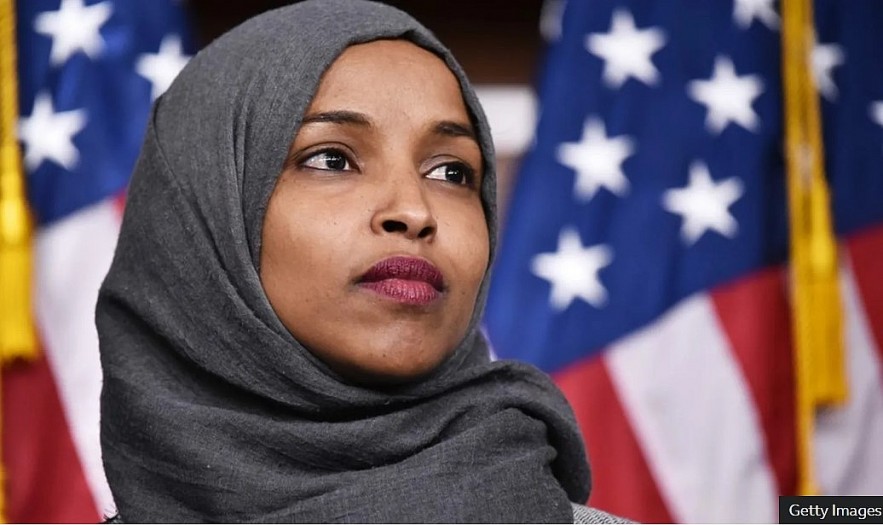 |
| Ilhan Omar Faces Renewed Scrutiny Over Past Comments |
Minnesota’s pandemic aid fraud scandal, one of the largest in the nation, exposed weaknesses in federal emergency programs that relied heavily on self-certification and minimal verification. Prosecutors allege that fraudsters exploited rushed oversight during COVID-19, siphoning tens of millions of dollars from nutrition programs intended for children.
A detail rarely highlighted is that dozens of elected officials across parties had interacted with or publicly supported community groups later implicated in the case. Such outreach was routine during the pandemic, when lawmakers were under pressure to direct aid quickly.
Experts in public administration say the scandal reflects systemic failures more than individual misconduct. Federal agencies prioritized speed over safeguards, creating opportunities for abuse that local politicians were poorly positioned to detect.
Political connections versus legal responsibility
Another overlooked factor is the legal threshold for responsibility. Being photographed with community leaders, attending events, or writing support letters does not constitute oversight authority. Members of Congress do not manage or audit nonprofit spending, a responsibility that lies with federal and state agencies.
Legal analysts note that no court filings have accused Omar of directing funds, influencing contracts, or benefiting financially from any organization under investigation. Nonetheless, critics argue that lawmakers should be more cautious about endorsements, particularly when public funds are involved.
Why the story resonates now
The controversy has gained traction amid rising voter skepticism about political elites and financial integrity. In an era of inflation and economic strain, stories about politicians’ wealth resonate strongly, regardless of whether wrongdoing is proven.
Omar’s national prominence amplifies that effect. As a vocal progressive and frequent target of conservative criticism, she often becomes a focal point for broader debates about ethics, accountability, and trust in government.
Omar’s response and the road ahead
Omar has consistently denied wrongdoing and has publicly condemned pandemic aid fraud, calling for full accountability for those who stole public funds. Her office has stated she has not been contacted by investigators and welcomes transparency.
Whether the controversy leads to formal ethics inquiries remains uncertain. Historically, many similar calls for investigation do not result in action unless new evidence emerges.
What is clear is that the episode underscores a deeper issue: emergency government programs, when launched without strong safeguards, can create scandals that later entangle even those not accused of crimes.
As the Minnesota fraud case proceeds through the courts, separating documented facts from political inference may prove essential, not only for Omar, but for restoring public confidence in how taxpayer money is protected.