Florida’s New Animal Cruelty Database: What It Is and Why Critics Say It Falls Short




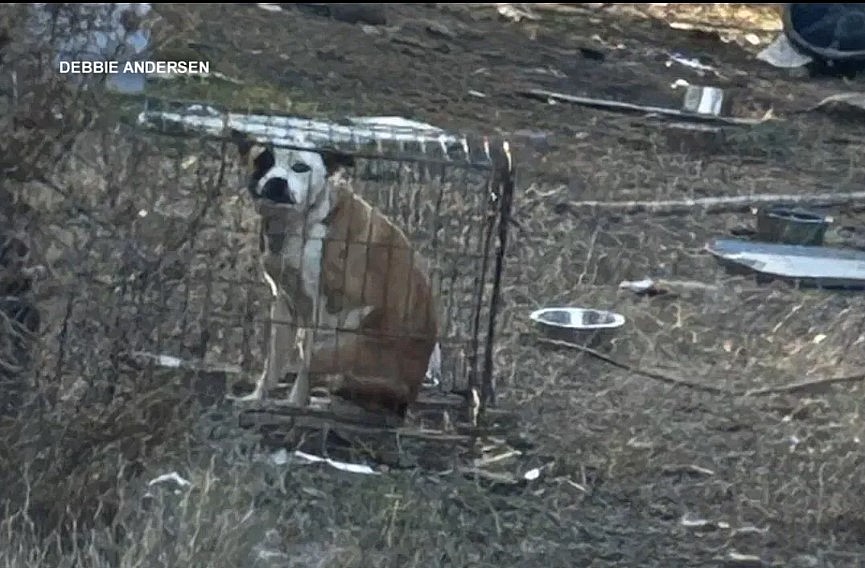 |
| New statewide database of animal abusers coming to Florida Jan. 1 |
What Is Florida’s New Animal Cruelty Database?
Starting January 1, 2026, the state of Florida will officially launch a statewide animal cruelty offender database. The database is part of Dexter’s Law, a new law designed to strengthen penalties for severe animal abuse and increase transparency for the public.
The database is managed by the Florida Department of Law Enforcement (FDLE) and is publicly accessible online. Its main purpose is to help animal shelters, rescue organizations, and members of the public identify people who have been convicted of serious animal cruelty offenses.
Who Appears in the Database?
Only individuals who meet specific legal criteria are listed. These include people who have:
-
Been convicted of aggravated animal cruelty
-
Entered a guilty plea or a no contest plea for the same offense
Once listed, an individual’s name remains in the database for at least 10 years. If the person reoffends, the listing can be extended for another 10 years.
What Information Is Included — and What Isn’t?
This is where the controversy begins.
The database currently displays only basic identifying information, such as the offender’s name. It does not include:
-
Details about the offense
-
The type of animal involved
-
The severity or circumstances of the abuse
-
Dates, locations, or case summaries
Animal welfare advocates argue that this lack of detail makes the database far less useful than expected, especially for shelters trying to assess potential risks.
Why Was the Law Created?
Dexter’s Law was inspired by several high-profile animal abuse cases that sparked public outrage across Florida. Supporters say the law serves two main goals:
-
Protect animals by preventing known abusers from adopting or owning pets
-
Improve accountability through a centralized, statewide record
For many rescue groups, even a name-only database is better than having no shared system at all.
Why Are Critics Unhappy?
Critics say the database falls short of its promise. Compared to some county-level databases in Florida, which include photos and offense descriptions, the new statewide system is seen as too limited.
There are also concerns about early accuracy and whether some older cases may appear without proper context.
The Bottom Line
Florida’s new animal cruelty database is a step forward, but not a complete solution. While it increases visibility of serious offenders, its limited information reduces its practical value.
Animal advocates are now calling on state officials to expand the database in the future, making it more detailed, accurate, and effective in protecting animals.