Buddhism in the United States: History, Growth, Communities, and Its Role in Modern American Life


Over the past century, Buddhism has moved from the margins of American religious life to a stable and influential presence nationwide. What began primarily within immigrant communities and small meditation groups has evolved into a complex network of temples, monasteries, retreat centers, universities, and national organizations serving millions of practitioners across the country.
Today, Buddhism in the United States represents a distinctive blend of long-established Asian traditions and modern American expressions. It is practiced in many forms, from traditional monastic communities rooted in Chinese, Vietnamese, Korean, Japanese, and Tibetan lineages to meditation-based movements embraced by a broad cross-section of the American public.
Read more: When is Saga Dawa Festival: Significance, Celebrattion, Places to Visit and Why "The Poor’s Day'
 |
| The Hsi Lai Temple is a beautiful, serene Buddhist temple located in the city of Whittier |
What Is Buddhism?
Buddhism is a spiritual and philosophical tradition that originated in India over 2,500 years ago with Siddhartha Gautama, the historical Buddha. Rather than focusing on belief in a creator deity, Buddhism emphasizes understanding the mind, reducing suffering, and cultivating wisdom and compassion.
Core teachings include:
-
The Four Noble Truths, which explain the nature and cause of suffering
-
The Eightfold Path, a guide for ethical conduct, mental discipline, and insight
-
Practices such as meditation, mindfulness, generosity, and moral responsibility
How Buddhism Came to the United States
1. Early Foundations (19th Century)
Buddhism arrived in the U.S. during the mid-1800s through Asian immigration. Chinese laborers during the California Gold Rush brought Mahayana Buddhist practices, followed by Japanese immigrants who established the earliest permanent temples.
One of the most influential early institutions was the Buddhist Churches of America, founded in 1899.
Official site: https://www.buddhistchurchesofamerica.org/
2. Expansion Through Immigration (20th Century)
After World War II and especially following the Vietnam War, immigrants from Vietnam, Korea, Thailand, Cambodia, Laos, Sri Lanka, and Tibet significantly expanded Buddhism in America. Temples built during this period served not only as religious centers but also as cultural and social hubs.
3. Western Interest and Conversion
From the 1950s onward, Buddhism gained attention among American intellectuals, psychologists, and spiritual seekers. Zen, Tibetan Buddhism, and Theravada meditation traditions attracted non-Asian practitioners and helped shape what is now called “convert Buddhism” or “Western Buddhism.”
How Many Buddhists Are There in the United States?
According to demographic research by the Pew Research Center, there are approximately 3.5 to 4 million Buddhists in the United States, representing about 1% of the population.
Key statistics:
-
Around 66% are Asian American
-
About 34% are converts from non-Buddhist backgrounds
-
Buddhists in the U.S. tend to be highly educated and urban-based
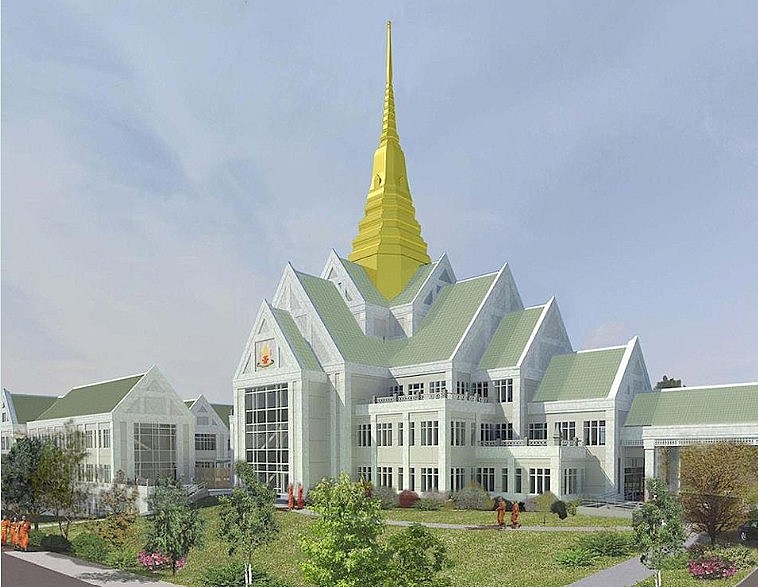 |
| Thai Buddhist Temple in the US |
Is Buddhism Organized in the United States?
Yes. While Buddhism has no single central authority, it is highly organized through temples, monasteries, national associations, and international networks.
Major Buddhist Traditions in the U.S.
-
Theravada Buddhism – practiced mainly by Thai, Sri Lankan, Burmese, Lao, and Cambodian communities
-
Mahayana Buddhism – common among Chinese, Vietnamese, Korean, and Japanese communities
-
Vajrayana (Tibetan) Buddhism – includes Tibetan lineages and meditation centers
Major Organizations and Networks
-
Fo Guang Shan
https://www.fgs.org.tw/en/ -
Dharma Realm Buddhist Association
https://www.drba.org/ -
Jogye Order of Korean Buddhism
https://www.koreanbuddhism.net/ -
Insight Meditation Society
https://www.dharma.org/
Together, these organizations oversee thousands of temples and centers across all 50 states.
Benefits of Buddhism in American Society
1. Mental Health and Mindfulness
Buddhist meditation has strongly influenced modern mindfulness-based therapies, including:
-
Mindfulness-Based Stress Reduction (MBSR)
-
Mindfulness-Based Cognitive Therapy (MBCT)
These practices are now widely used in hospitals, schools, corporations, and the military.
2. Ethical and Compassionate Living
Buddhism promotes nonviolence, compassion, generosity, and responsibility. Many American Buddhist groups engage in:
-
Disaster relief and humanitarian aid
-
Prison and hospital chaplaincy
-
Environmental activism and climate awareness
3. Compatibility With Science
Neuroscience and psychology research increasingly study meditation and compassion practices, reinforcing Buddhism’s relevance in evidence-based approaches to well-being.
Who Practices Buddhism in the United States?
Asian American Buddhists
For immigrant communities, Buddhism often serves as both a religious and cultural foundation. Temples provide:
-
Language and cultural education
-
Youth and elder services
-
Community festivals and ceremonies
Convert Buddhists
Many American Buddhists were raised in Christian or secular households. They are often drawn by:
-
Meditation and mindfulness
-
Buddhist philosophy
-
A practical, non-dogmatic spiritual path
Zen, Tibetan Buddhism, and Insight Meditation are especially popular among converts.
Younger and Educated Americans
Buddhism resonates strongly with younger generations seeking meaning, balance, and mental clarity in a fast-paced digital society.
Challenges and the Future of Buddhism in the U.S.
Despite steady growth, Buddhism faces challenges such as:
-
Language and generational gaps in immigrant temples
-
Limited representation in mainstream religious discourse
-
The need to balance tradition with modern American life
At the same time, Buddhism continues to expand through:
-
English-language teachings
-
Online dharma talks and retreats
-
University programs and interfaith dialogue
Buddhist retreats in the USABuddhism offers a practical approach to living that many Americans find both grounding and accessible. At its heart are simple but demanding principles: generosity toward others, awareness of the ego, compassion in daily life, and a commitment to understanding the mind. Rather than abstract belief, Buddhism emphasizes practice. Its teachings often align closely with what it means to be a thoughtful, ethical, and emotionally balanced person.
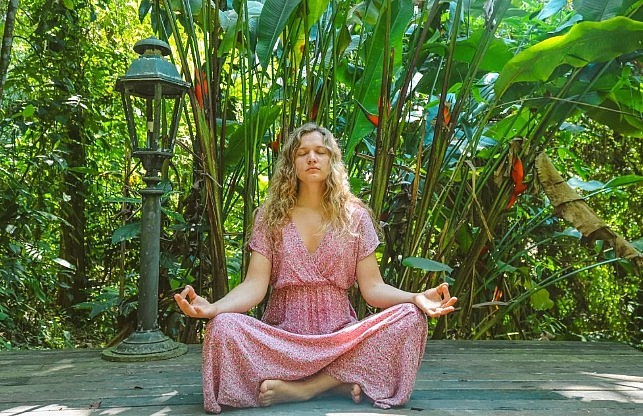
For those who want a deeper, firsthand experience, Buddhist retreats provide a structured way to step away from everyday distractions and focus inward. Across the United States, retreats range from weekend introductions to multi-week immersive programs that combine meditation, silence, and study. Well-regarded retreat centers include Zen Mountain Monastery in New York, Shambhala Mountain Center in Colorado, and Spirit Rock Meditation Center in California. Because no two retreats are the same, it’s worth researching your goals in advance. Some emphasize silence, others focus on meditation training, while some incorporate breathwork, mindful movement, or guided teaching. Choosing the right format can make the experience far more meaningful. |
Frequently Asked Questions (FAQs)
Is Buddhism a religion or a philosophy?
Buddhism is both. It includes religious rituals and monastic traditions, but it also functions as a practical philosophy focused on understanding the mind and reducing suffering.
Do Buddhists believe in God?
Buddhism does not center on belief in a creator god. The focus is on personal insight, ethical living, and mental training.
Can anyone practice Buddhism?
Yes. Buddhism is open to people of all backgrounds. Many Americans practice meditation without formally converting.
Are Buddhist temples open to the public in the U.S.?
Most temples welcome visitors, especially during festivals, meditation sessions, and educational programs. Visitors are usually expected to follow basic etiquette.
Is Buddhism growing in the United States?
Yes. While overall numbers grow slowly, interest in meditation, mindfulness, and Buddhist ethics continues to expand across American society.
Conclusion
Buddhism in the United States is diverse, organized, and deeply influential. From historic immigrant temples to modern meditation centers, it offers practical tools for mental health, ethical living, and spiritual growth. As Americans continue to seek balance, meaning, and compassion, Buddhism is likely to remain an enduring and respected presence in the nation’s spiritual life.