Who Is Oscar Solorzano and What We Know About the Charlotte Train Stabbing Case

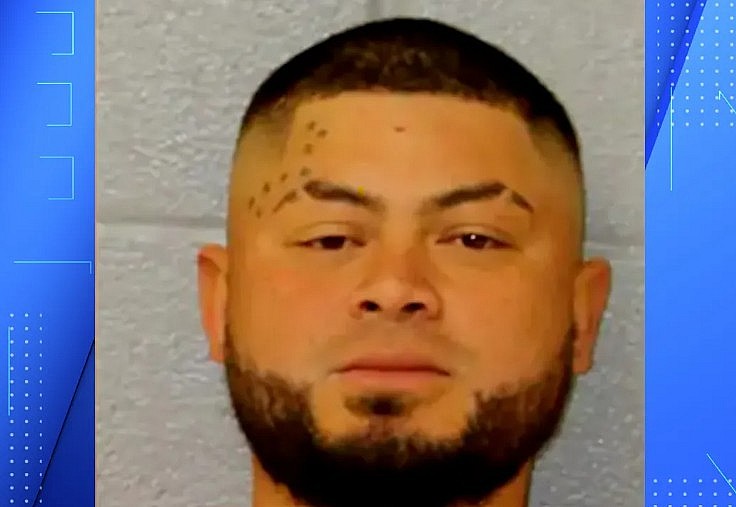 |
| Oscar Solorzano |
As officials release more details, questions continue to grow about Solorzano’s background, his history in the United States, and the wider concerns raised by the case. This overview explains who he is, what authorities allege happened, and how the incident fits into recent public safety debates in North Carolina.
Who Is Oscar Solorzano
Oscar Solorzano is a 33 year old man now facing severe criminal charges in Charlotte, North Carolina. Court documents state that he is in the United States unlawfully and has previously been deported. Records also show prior arrests for violent and obstructive behavior before this latest incident. Officials have not listed an attorney representing him, and his immigration history has become a central point in political and law enforcement discussions.
Authorities report that immigration officials have issued a detainer to prevent his release and to secure custody if he were to leave local jail. Solorzano is currently being held without bond ahead of a scheduled court appearance.
What Happened on the Charlotte Commuter Train
The alleged attack took place on a Friday afternoon when riders on a Charlotte commuter train witnessed a confrontation escalate into a stabbing. According to the Charlotte Mecklenburg Police Department, Solorzano attacked another passenger with a large knife. First responders moved quickly, and the victim was taken to a local hospital in critical but stable condition.
A magistrate’s filing states that Solorzano appeared intoxicated and initiated the encounter. An arrest warrant describes the moments before the stabbing as an effort by Solorzano to provoke the victim into a fight. Police charged him with attempted first degree murder and assault with a deadly weapon.
These details paint a picture of a sudden and extreme act of violence in a space meant to offer safe public transportation. For a city trying to encourage more rail use, another incident of this scale has created real concern.
Why the Case Has Triggered a Political Response
The incident gained national attention after US President Donald Trump commented on it through his Truth Social account. He pointed to the suspect’s immigration status and criticized Democratic leadership in Charlotte. His message framed the stabbing as an example of what he described as broader failures in local governance and immigration enforcement.
While political statements do not shape the legal case, they do influence public perception. Charlotte leaders and federal officials now face increased scrutiny about how local and federal systems cooperate, how detainers are handled, and what can be done to prevent violent crimes on public transit.
Immigration Status and Law Enforcement Concerns
A major thread in this case involves the handling of immigration detainers. According to federal officials, Solorzano has been removed from the United States before and has a record of arrests for violent and obstructive offenses. Homeland security authorities say they have issued a new detainer to ensure he remains in custody and can be transferred to federal control when appropriate.
Officials also noted a wider issue. Hundreds of federal detainers in North Carolina have reportedly gone unfulfilled in recent years. As a result, federal authorities launched a targeted operation in the state focusing on individuals with criminal histories who are residing in the country without legal status. Solorzano’s case emerged just as these efforts expanded, which has only intensified the debate.
Public Safety on Charlotte Transit
This stabbing is not the first serious act of violence on Charlotte’s rail system this year. Less than four months earlier, another passenger, 23 year old Ukrainian refugee Iryna Zarutska, was fatally stabbed in what investigators described as a random attack. Video from the train captured the assault and led to swift public reaction.
The suspect in that case, Decarlos Brown Jr., is facing state murder charges as well as a federal indictment tied to causing a death on mass transit. That incident already had city leaders reviewing transit safety policies. The stabbing involving Solorzano now puts further pressure on those efforts.
For riders, these events raise sharp questions about whether rail lines are adequately staffed, monitored, and secured. For city officials, they highlight gaps that require urgent attention.
What Comes Next in the Case
Solorzano’s next court appearance is scheduled for Monday. He remains jailed without bond. Prosecutors will likely present early steps in their case, while immigration authorities monitor the proceedings closely. It is too early to predict outcomes, but the charges he faces carry the possibility of significant prison time.
The victim, who has not been publicly identified, continues to receive medical care and is reported to be in critical but stable condition. Updates on recovery will likely shape how the case moves forward.
Impact on Local Policy and Community Discussion
Violent crime on public transportation tends to create strong public reaction, and Charlotte is no exception. Advocates for safer transit are asking for increased presence of trained personnel, better surveillance systems, and quicker interventions when disturbances occur.
Some community members emphasize that political rhetoric can complicate rather than clarify these issues. Others argue that immigration enforcement must be part of any realistic response. The Solorzano case sits at the center of these conversations because it touches on crime, immigration, public safety, and city leadership all at once.
Conclusion
Oscar Solorzano is now a central figure in a developing case that is drawing national attention. His background, the severity of the charges, and the political reactions have pushed the incident beyond a local crime report and into a broader discussion about safety and accountability. As more information comes out, both the legal process and the public debate will continue to evolve.