Who Is Mora Namdar? Inside the Rise of the State Department’s New Consular Chief

 |
| Who is Mora Namdar State Department official |
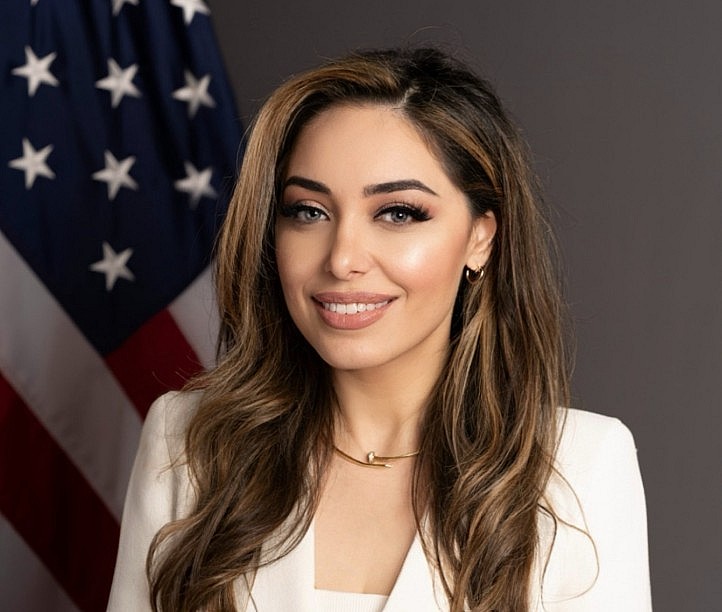
When Mora Namdar was confirmed by the U.S. Senate on December 18, 2025, the move was expected to be a relatively quiet personnel change inside the State Department. Instead, it set off a media storm — one that has pushed Namdar, a low-profile but influential official, into the national spotlight.
Search interest in her name surged after a sharply worded The Daily Beast article questioned her qualifications and fixated on her background as a business owner. The reaction from the State Department was swift and unusually blunt, accusing the coverage of being misleading and sexist.
So who is Mora Namdar, and why does her appointment matter?
From Texas Roots to Washington Power
Namdar is an Iranian-American attorney who grew up in Texas, the daughter of immigrants who emphasized education and public service. She earned her undergraduate degrees at Southern Methodist University before completing both a law degree and a master’s degree in international affairs at American University in Washington, D.C. She also studied abroad at Oxford and speaks Farsi.
Before returning to government full time, Namdar practiced law in Texas and Washington, D.C., and founded a small law firm focused on international and business matters. She is also the founder of BAM Beauty Bar, a regional beauty-salon business in North Texas — a detail that would later become central to media scrutiny.
A Long Resume in Foreign Policy
Despite the attention on her private-sector work, Namdar is not new to government.
She previously served in senior roles at the State Department, including as acting Assistant Secretary of State for Consular Affairs and as a top official in the Bureau of Near Eastern Affairs. In those roles, she worked on issues ranging from visa policy and passport services to regional diplomacy in the Middle East.
Her current position places her in charge of one of the State Department’s most public-facing bureaus. Consular Affairs oversees U.S. visas, passports, and assistance to Americans overseas — decisions that directly affect millions of people each year and often carry major political consequences.
The Daily Beast Controversy
Shortly after her confirmation, The Daily Beast published an article that framed Namdar’s appointment around her ownership of beauty salons, casting doubt on whether someone with that background should oversee U.S. visa decisions.
The piece quickly went viral — and just as quickly drew condemnation from State Department leadership. Officials publicly defended Namdar, emphasizing her legal credentials, prior government service, and experience managing large bureaucracies. Internally, the article was described as reducing a senior official’s career to a stereotype.
The episode has reignited broader debates about how women in government are covered by political media, particularly when they have nontraditional or entrepreneurial backgrounds.
Why Americans Are Paying Attention
Namdar’s role matters far beyond Washington.
The Bureau of Consular Affairs shapes how the world experiences the United States — from tourists and students to immigrants and U.S. citizens in crisis abroad. With global travel rebounding and major international events on the horizon, consular policy is becoming more visible and more politically sensitive.
At the same time, Namdar’s story hits several pressure points for American readers: immigration, media bias, women in leadership, and the blurred lines between public service and private enterprise.
What Comes Next
For now, Namdar has kept a low public profile, focusing on internal operations rather than media appearances. Whether the controversy fades or follows her tenure remains to be seen.
What is clear is that Mora Namdar is no longer an obscure State Department official. Her confirmation — and the backlash that followed — has made her a symbol of how power, perception, and politics intersect in modern Washington.
As visa policy and international travel continue to shape U.S. domestic debates in 2026, Namdar’s decisions will quietly affect millions — even as her name continues to attract outsized attention online.