Brigitte Bardot in Her Final Years and Last Hours — A Legacy Beyond the Spotlight



Brigitte Bardot spent her final years exactly as she had lived most of her life after fame: withdrawn, uncompromising, and guided by personal conviction rather than public approval. As news of her death spreads, the most revealing part of her story is not how she rose to global stardom, but how deliberately she disappeared from it.
Read more: Who Is Nicolas-Jacques Charrier? The Only Son of Brigitte Bardot
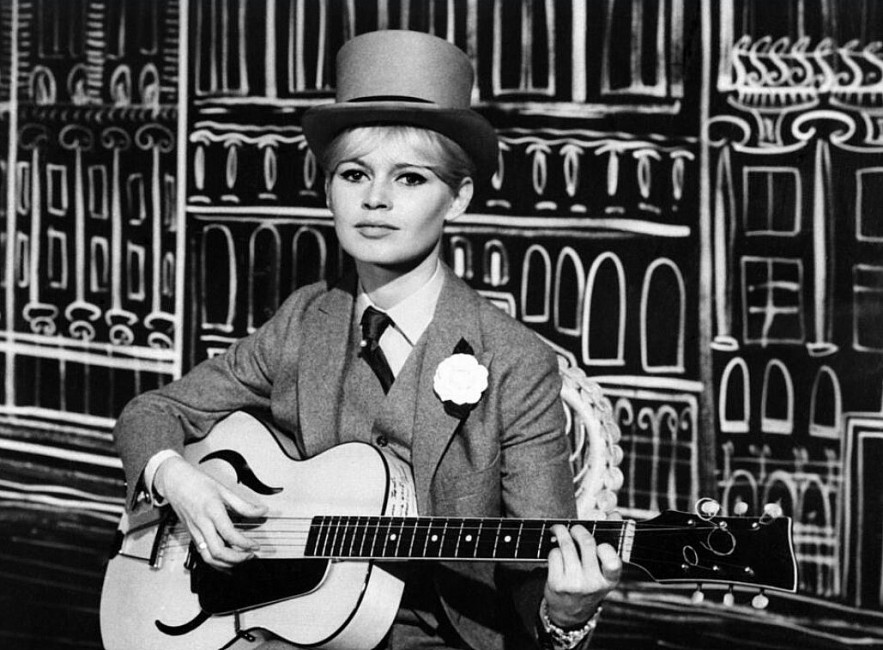 |
| Brigitte Bardot in Her Final Years and Final Hours |
The Final Years: A Life Lived on Her Own Terms
In her last decade, Bardot lived quietly in southern France, far from premieres, interviews, and red carpets. She rarely appeared in public and communicated with the world mostly through written statements tied to animal protection causes.
What stands out is not isolation, but intention.
Bardot did not retreat because she was forgotten. She stepped away because she believed visibility diluted sincerity. While many aging celebrities pursue renewed relevance, she resisted nostalgia tours, tributes, and brand revivals. She did not want to be remembered as a softened version of herself.
Instead, she remained sharp, controversial, and unapologetic to the end.
Health, Aging, and the Reality She Never Romanticized
Bardot never tried to aestheticize aging. In her final years, she spoke openly about physical decline and fatigue, rejecting the modern idea that public figures must age “gracefully” for consumption.
Those close to her described a routine defined by:
-
Simple daily rhythms
-
Deep attachment to animals
-
Minimal social contact
-
Strong opinions that never mellowed with age
This refusal to perform vulnerability or reinvention separates her from most late-life celebrity narratives.
Final Hours: A Quiet Ending, Not a Public One
Bardot’s final hours unfolded privately, in familiar surroundings, without spectacle. There were no hospital-room images, no staged farewells, no final interviews.
This was consistent with a woman who had spent more than half her life undoing the myth of herself.
Her death did not arrive as a media event. It arrived as a closing of a long, intentional withdrawal from public life.
In that sense, Bardot controlled her ending as carefully as she controlled her exit from cinema decades earlier.
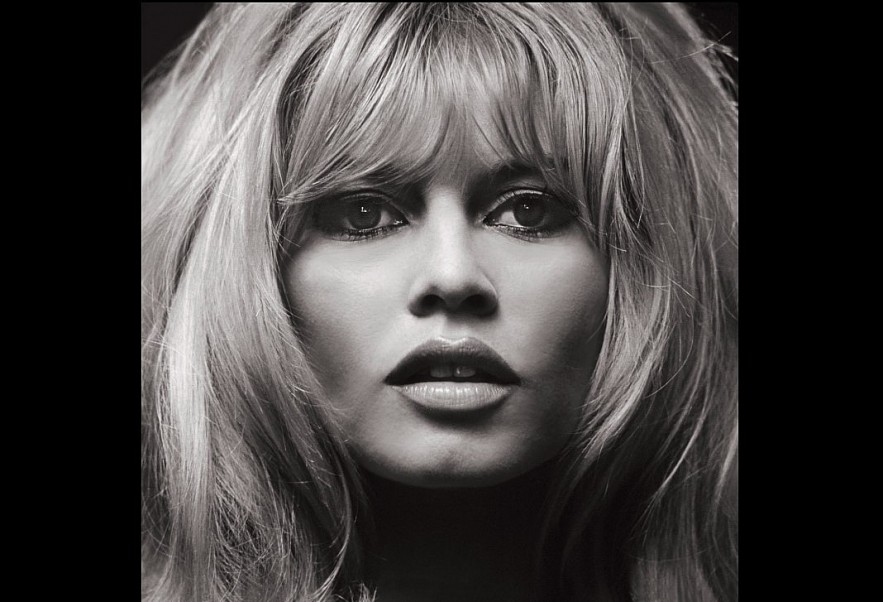 |
| How a Woman Who Rejected Fame Chose How the World Would Remember Her |
The Untold Angle: Bardot as the Original “Anti-Celebrity”
American media often frame icons through reinvention arcs. Bardot offers the opposite model.
She was:
-
Famous without chasing longevity
-
Influential without constant visibility
-
Relevant without audience consensus
Long before discussions about celebrity burnout or the mental cost of fame, Bardot identified stardom itself as a threat to autonomy. Her retirement at 39 was not exhaustion. It was rejection.
In her final years, that philosophy remained intact.
Why Her Death Feels Different From Other Icons’
When Hollywood legends die, the response follows a familiar script: tributes, montages, reassessments.
Bardot’s passing resists that structure.
She did not belong to Hollywood.
She did not cultivate global affection.
She did not seek moral redemption in old age.
As a result, her death invites reflection rather than celebration. It forces audiences to confront an uncomfortable truth: some icons do not want reconciliation with the public.
Marriage and Family: The Private Life Bardot Never Tried to Repair
Brigitte Bardot’s private life was as unconventional as her public choices. While tabloids once focused on her romances, her marriages and relationship with her child reveal something deeper: a woman who consistently refused traditional domestic roles, even when the cost was permanent distance.
Four Marriages, None Built for Permanence
Bardot was married four times, but none of her marriages followed a conventional arc of stability or family-building.
Roger Vadim (1952–1957)
Her first husband, film director Roger Vadim, played a key role in launching her career. Their marriage coincided with her rise to fame and ended as Bardot’s global visibility exploded. The relationship was creative, intense, and short-lived.
Jacques Charrier (1959–1962)
Her second marriage, to actor Jacques Charrier, was the most consequential. It produced her only child and the deepest personal conflict of her life.
Gunter Sachs (1966–1969)
Her third husband, German industrialist Gunter Sachs, represented a different phase: wealth, international jet-set life, and emotional distance. The marriage ended quietly, without public drama.
Bernard d’Ormale (1992–2025)
Her final marriage, to Bernard d’Ormale, lasted more than three decades and extended into her final years. Unlike her earlier partners, he lived almost entirely outside public attention and shared her reclusive lifestyle in southern France.
This last marriage was not passionate or public. It was functional, loyal, and deliberately private.
Her Only Child: A Relationship Marked by Absence
Brigitte Bardot had one son, Nicolas-Jacques Charrier, born in 1960.
Unlike most celebrity narratives, Bardot never tried to frame motherhood as a redemptive chapter. She openly stated that she did not want children and felt trapped by pregnancy and public expectations.
After her divorce from Jacques Charrier, custody of Nicolas went to his father. Bardot’s relationship with her son remained distant throughout her life.
They lived separate lives, in separate countries, with minimal public contact.
This is one of the most uncomfortable truths about Bardot’s legacy, and also one of the most honest. She never rewrote the story to make herself more sympathetic.
Net Worth: Wealth Without a Hollywood Empire
At the time of her death, Brigitte Bardot was estimated to have a net worth of around $60–65 million. Unlike many global icons, her fortune was not built on long Hollywood contracts, franchises, or later-life brand deals.
Most of Bardot’s wealth came from her intense but relatively short film career, image licensing during the peak of her fame, and long-term ownership of valuable real estate in southern France, particularly in Saint-Tropez. She deliberately avoided commercial overexposure in her later decades, turning down endorsements and media appearances that could have significantly increased her income.
A Legacy Defined by Choice, Not Consensus
Bardot leaves behind contradictions that cannot be neatly resolved:
-
A symbol of liberation who rejected modern feminism
-
A champion of animal rights with polarizing political views
-
A global icon who chose obscurity over applause
Her final years did not soften these edges. They sharpened them.
That may be her most lasting contribution.
FAQs: Brigitte Bardot’s Final Years and Passing
How did Brigitte Bardot spend her final years?
She lived privately in southern France, focusing almost exclusively on animal welfare and avoiding public life.
Did she return to acting or public appearances later in life?
No. Her retirement from cinema was permanent, and she rejected offers to reappear or reinvent herself.
Why is her later life rarely covered in American media?
Her final decades lacked the visibility, reinvention arcs, and public accessibility that U.S. celebrity journalism typically favors.
What defines Brigitte Bardot’s legacy today?
Not just her films, but her refusal to let fame dictate her identity or her final chapter.